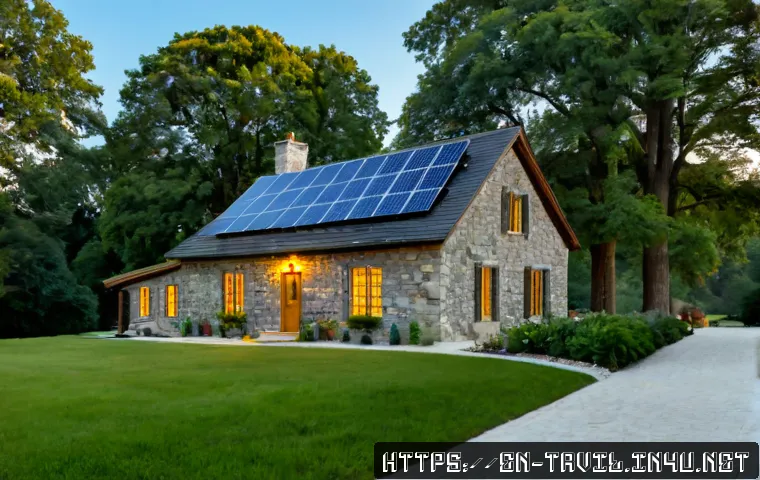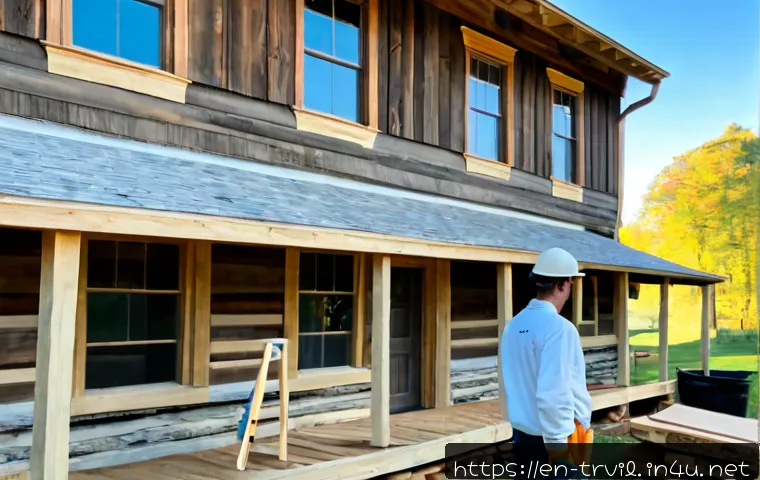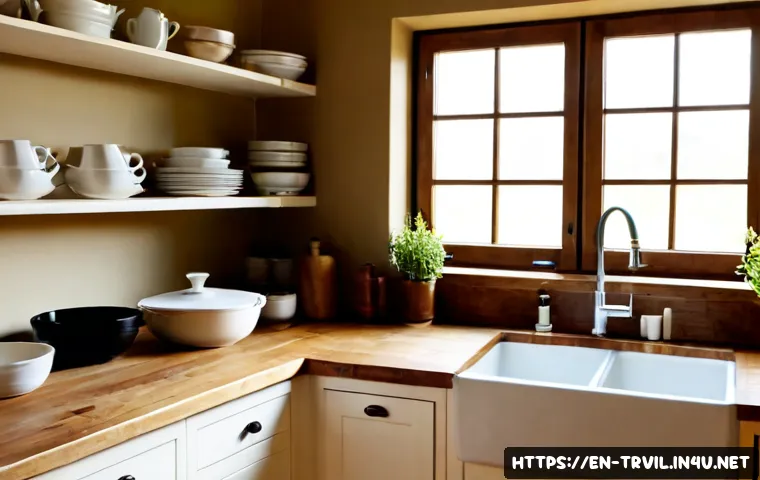
Traditional-style homes can be practical for modern living when their condition, layout, and upgrade needs fit your daily routine and budget. Their character is worth considering only after you confirm the home can be safe, comfortable, and manageable to maintain.
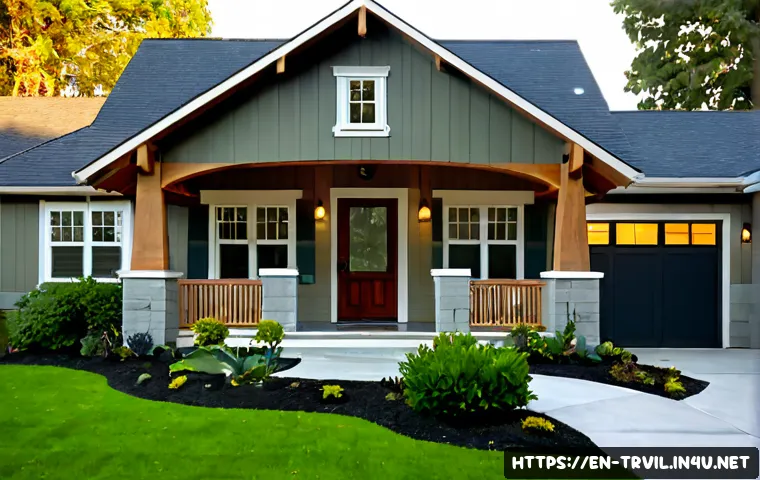
Older construction can require a more careful review of insulation, heating, wiring, plumbing, moisture, and repair access. A pre-purchase inspection and early permit checks help separate a promising restoration project from an expensive unknown.
Compare contractor quotes by scope, materials, and preservation requirements—not by the lowest number alone. The best choice is often selective modernization that keeps the home’s character while improving everyday comfort.
At a Glance
- A traditional-style home can work well today when its condition, usable layout, and upgrade scope match your needs.
- Energy comfort depends on insulation, air sealing, windows, heating equipment, and climate—not architectural style alone.
- Inspect structural, moisture, electrical, plumbing, and permit issues before committing to a purchase or renovation plan.
| Decision Area | Traditional-Style Home | Newer Construction | What to Check |
|---|---|---|---|
| Comfort | May need energy and ventilation upgrades. | May have more modern systems and layouts. | Insulation, air sealing, windows, heating, and local climate. |
| Repair Risk | Older systems or hidden conditions may need attention. | Condition still varies by individual property. | Roof, drainage, foundation, wiring, plumbing, and moisture. |
| Layout and Storage | Can include smaller rooms, limited storage, or less flexible utility routes. | Often designed around more current space expectations. | Daily circulation, storage needs, and room adaptability. |
| Renovation Complexity | May involve preservation requirements or material restrictions. | May allow more straightforward changes in some cases. | Permits, design review, access constraints, and contractor experience. |
Is a Traditional-Style Home Practical Today?
The Short Answer: Practical When Condition, Layout, and Upgrade Scope Match Your Lifestyle
A traditional-style home is practical when you can live comfortably with its room arrangement and plan for its maintenance needs. Some buyers value durable materials, craftsmanship, and visual character enough to accept a less flexible floor plan. Others need open work areas, larger storage zones, or easy utility access. Neither preference is wrong, but the decision should be based on how the property will function every day.
Character Is Valuable, but It Does Not Replace Safety, Comfort, or Operating-Cost Checks
Original details can make a house appealing, but they do not reveal the condition of roofing, electrical systems, plumbing, insulation, or moisture control. A visually attractive home may still require major work, while a simpler one may already have useful modern improvements. Treat charm as a benefit after the essential checks are complete. Comfort, safety, and repair priorities should come before cosmetic plans.
The Three Issues to Assess Before Falling in Love with the Design
First, assess whether the layout works for your household, including storage, bedroom use, stairs, and workspace needs. Second, review the visible condition of the roof, drainage, foundation areas, and interior signs of moisture. Third, identify the likely modernization scope for heating, ventilation, electrical safety, and plumbing. These three areas provide a better starting point than appearance alone.
Traditional Home vs. Newer Home: Comfort, Maintenance, and Cost Factors
Space, Heating and Cooling, Repairs, Storage, and Renovation Flexibility
Traditional homes may offer distinct rooms and durable finishes, but their spaces can be less adaptable for modern routines. Smaller rooms may be suitable for quiet work or separate living areas, yet they can feel restrictive for a growing household. Routing new wiring, ducts, plumbing, or ventilation can also be more complex when walls, finishes, and original materials need protection.
Heating and cooling should be considered as a whole-house issue. Insulation, air sealing, window condition, heating equipment, and climate influence energy performance together. Replacing one element without considering ventilation or moisture movement may not deliver the intended comfort result.
Which Costs Are Predictable and Which Can Emerge After Purchase
Some costs are easier to plan: visible finish updates, storage additions, and selected kitchen or bathroom improvements. Other costs can remain uncertain until qualified inspection or renovation work reveals more detail. Structural condition, hidden wiring, plumbing condition, moisture sources, and preservation requirements can affect the final scope. Obtain contractor quotes that clearly separate known work, assumptions, and items requiring further investigation.
What to Inspect Before Buying or Renovating
Roof, Drainage, Foundation, Moisture, Electrical, Plumbing, and Ventilation
A pre-purchase inspection can identify visible concerns involving the roof, drainage, foundations, electrical systems, plumbing, and moisture. Look at how water moves around the building, because drainage and moisture management affect more than the exterior appearance. Inside, ask whether heating and ventilation arrangements appear suitable for the home’s current use. An inspection is not a guarantee that every hidden issue will be found, but it is a practical first screen before making a major commitment.
Why Local Permits and Preservation Rules Should Be Checked Early
Historic or protected properties may require permits, design review, or material restrictions for exterior changes. These requirements can influence the type of windows, exterior repairs, roofing work, or visible mechanical equipment that may be acceptable. Check the property’s status and local planning requirements before choosing materials or assuming that an exterior renovation will proceed as planned.
When a General Inspection May Need Specialist Follow-Up
A general inspection may point to areas that deserve closer evaluation. If visible conditions suggest concerns with foundations, roof systems, moisture, electrical work, plumbing, or heating equipment, seek appropriately qualified follow-up before finalizing the project scope. This is especially important when a contractor quote depends on assumptions about hidden conditions.
Modern Upgrades That Preserve Character and Improve Daily Use
Insulation, Air Sealing, Heating Systems, Windows, and Moisture Management
Selective modernization can improve daily comfort without removing a home’s character. Useful priorities may include insulation, air sealing, efficient heating, ventilation improvements, electrical safety work, and moisture control. Window decisions should account for condition, energy performance, exterior rules, and the role windows play in the building’s original appearance. A local energy audit can help identify where the home appears to lose comfort before you commit to a broad renovation.
Kitchen, Bathroom, Storage, and Workspace Changes That Improve Functionality
Function-first changes often have the clearest day-to-day value. Consider whether the kitchen supports current routines, whether bathrooms have practical utility access, and whether storage can be improved without disrupting key features. Remote workers should test real workspace needs: privacy, power access, lighting, and the ability to route equipment safely. A modest, well-planned change can be more useful than a full redesign that creates avoidable complexity.

Avoiding Upgrades That Create Ventilation or Moisture Problems
Energy upgrades should be planned as connected measures rather than isolated fixes. Tightening a building through air sealing or insulation can change how moisture and air move through it. Discuss ventilation and moisture management when comparing energy-upgrade quotes. Preserving character should not mean ignoring building performance.
Which Living Situations Suit a Traditional Property?
Buyers Who Value Craftsmanship and Can Plan Maintenance
Traditional properties often suit buyers who appreciate original materials and accept that maintenance is part of ownership. This does not mean accepting unresolved defects. It means setting priorities, maintaining exterior systems, and choosing repairs that respect the building’s construction methods where appropriate.
Families Needing Adaptable Rooms and Storage
Families should review room sizes, storage limitations, bathroom arrangement, and circulation before purchase. A home can have plenty of visual appeal yet remain impractical if it cannot adapt to changing household needs. Consider whether improvements can be phased without interfering with normal living.
Remote Workers, Rental Owners, and Resale-Focused Buyers
Remote workers should focus on workspace flexibility and reliable utility access. Rental owners should consider maintenance planning, durable upgrades, and whether the layout supports the intended use. Resale-focused buyers should avoid assuming that every renovation will recover its full cost. Focus on condition, comfort, safety, and choices that make the home easier to understand and maintain for a future buyer.
Selection Criteria and Comparison Summary
Before choosing a traditional property, compare these decision points:
- Inspection findings: Are roof, drainage, foundation, moisture, electrical, and plumbing concerns clearly identified?
- Energy priorities: Would an energy audit help clarify insulation, air sealing, windows, heating, and ventilation needs?
- Layout fit: Can the home support your storage, family, work, and accessibility needs without excessive changes?
- Permit requirements: Is the property protected, and do exterior changes require review or restricted materials?
- Contractor quote clarity: Does each quote define labor, materials, access limits, assumptions, and preservation-related work?
- Project approach: Is selective modernization more sensible than a full renovation at this stage?
If you are comparing inspection services, energy upgrades, or renovation contractors, review the scope of work and detailed conditions on the relevant provider’s page before making a commitment. Consider walking away, renegotiating, or phasing work when major condition questions remain unresolved or the renovation scope is not clearly defined.
Closing Thoughts
A traditional-style home can be a comfortable long-term choice, but it should be evaluated as a building rather than a design statement. Start with condition, moisture control, safety systems, layout, and local restrictions. Then choose upgrades that improve daily use while respecting the features you value. A careful inspection and well-scoped contractor quotes can make the decision far more practical.
Useful Things to Know
1. Architectural style alone does not determine energy performance.
2. Exterior changes may be subject to local permits or preservation review.
3. A low quote is not automatically comparable to a detailed quote with a defined scope.
4. Storage, utility routing, and room flexibility can matter as much as visible finishes.
Important Considerations
The purchase price, renovation budget, utility costs, maintenance needs, and resale outcome vary by property. Hidden conditions cannot be confirmed from appearance alone. Confirm local planning rules, historic status, inspection findings, and contractor scope before deciding whether to buy, restore, or modernize a specific home.
Frequently Asked Questions
Q1. Are traditional-style homes more expensive to maintain than newer homes?
A1. They may require more planned maintenance or repair work when older materials and systems need attention, but the actual needs depend on the individual property. A pre-purchase inspection can identify visible concerns and help you compare likely priorities.
Q2. Which upgrades make an older traditional home more energy efficient?
A2. Insulation, air sealing, window condition, heating equipment, ventilation, and moisture management all affect energy performance. An energy audit can help determine which improvements deserve attention first for a particular home and climate.
Q3. Should I get specialist inspections before buying a traditional or historic home?
A3. A general inspection is a useful first step because it can identify visible concerns with foundations, roofs, drainage, electrical systems, plumbing, and moisture. Specialist follow-up may be appropriate when the inspection identifies concerns that need closer evaluation or when preservation requirements may affect the renovation plan.