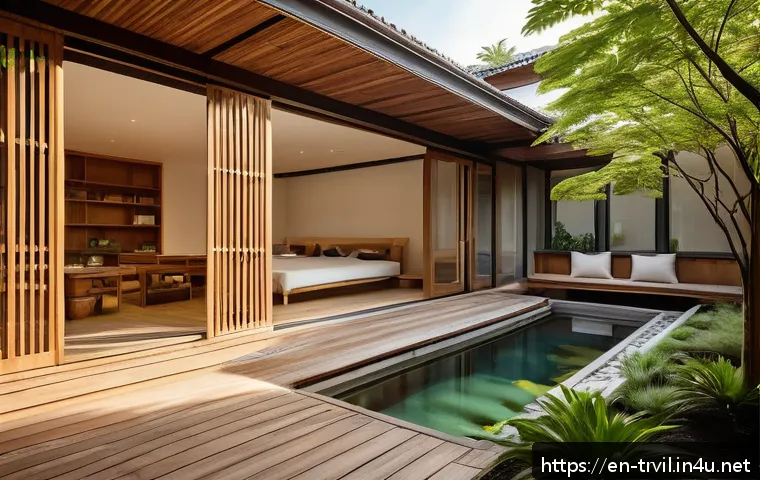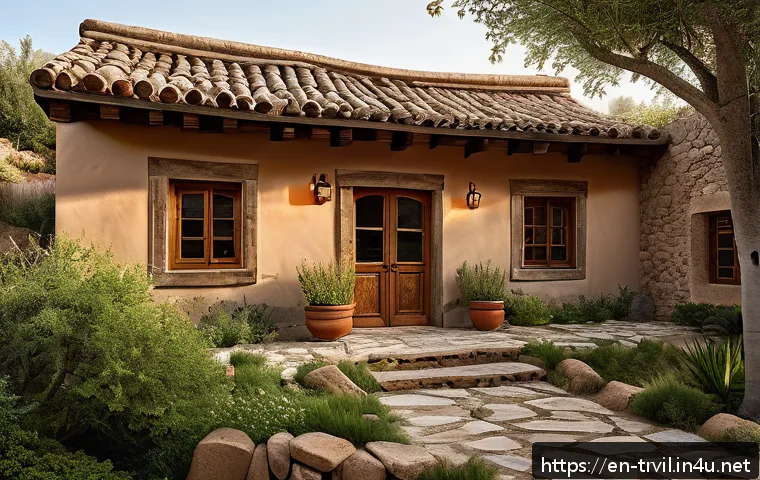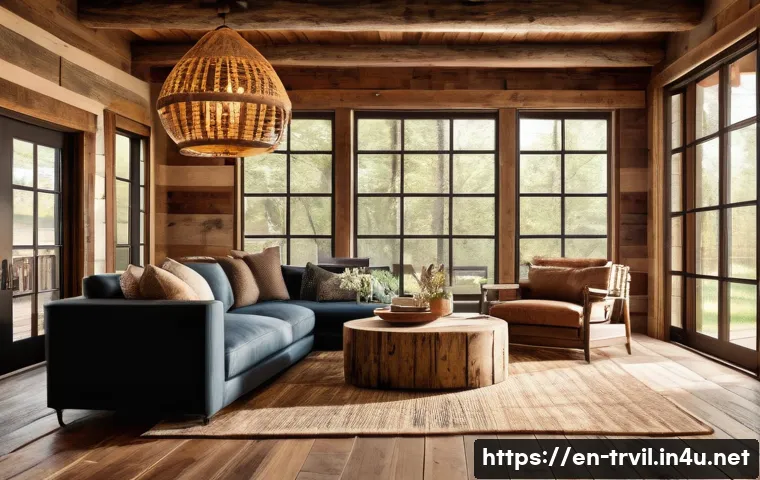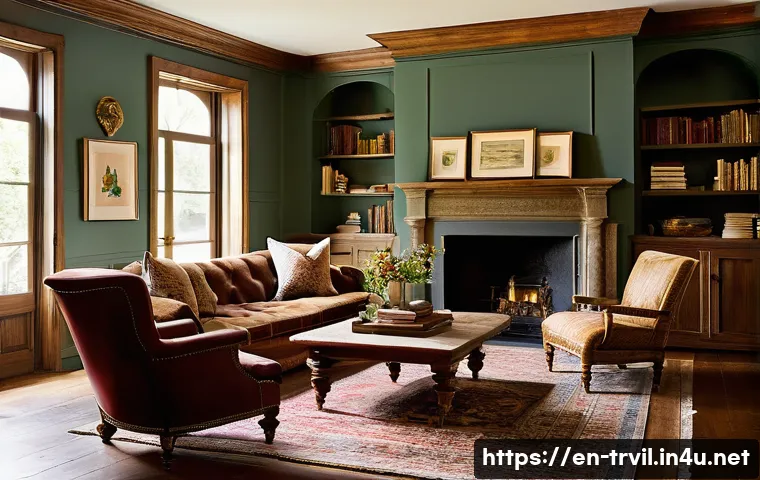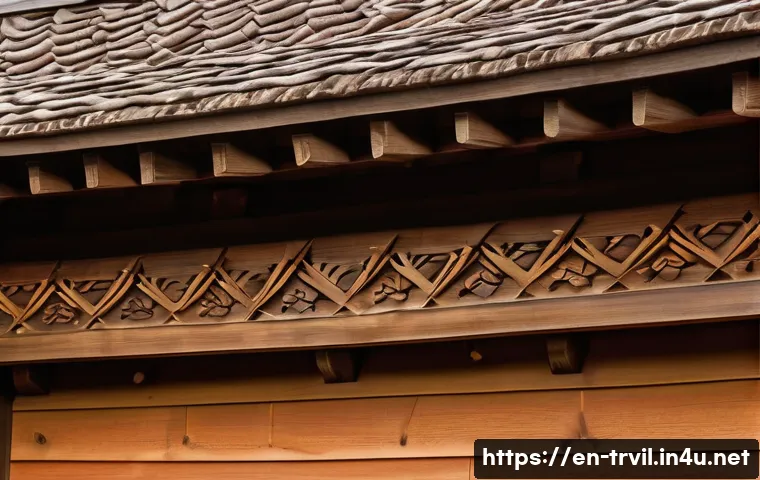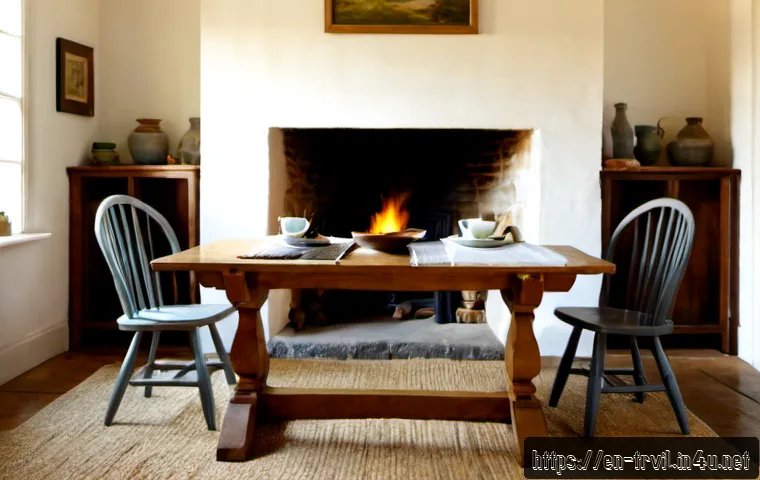
The best traditional furniture layout begins with the room’s architectural focal point, then protects easy walking paths, and finally matches furniture scale to the room.
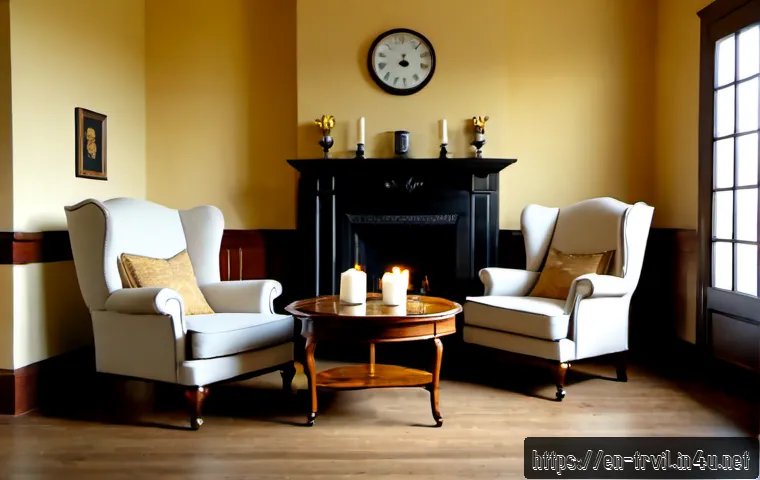
Let a fireplace, window, dining table, or bed lead the arrangement instead of forcing a modern furniture set into a historic space. This approach keeps period character visible while making daily use more comfortable.
Before buying, compare antique, reproduction, and custom furniture based on condition, maintenance needs, delivery access, and the level of historical appearance you want.
A space-planning consultation can be useful when an older home has narrow entries, uneven floors, or original features that restrict placement. The goal is not to make every room look like a museum, but to create a traditional interior that works for the people living in it.
At a Glance
- Focal point first: Arrange the room around its fireplace, windows, built-ins, dining table, or bed.
- Circulation second: Keep door swings, walkways, and access to original features clear.
- Scale third: Choose furniture that suits the room’s proportions, ceiling height, and entry routes.
| Option | Best Fit | Cost Considerations | Lead Time and Delivery | Maintenance | Historical Appearance |
|---|---|---|---|---|---|
| Genuine antique furniture | Rooms where authenticity, age, and individual character matter most | Value can depend on condition, provenance, repairs, and appraisal considerations | Availability varies; access through narrow doors and stairs should be checked first | May need condition review, careful cleaning, repair, or restoration | Often offers the strongest period presence when appropriate to the room |
| Reproduction furniture | Homes that need period-inspired proportions with practical everyday durability | Compare materials, construction, finish quality, and delivery terms | Often available with more predictable ordering and delivery options | Modern materials may simplify routine use, depending on the piece | Can create a traditional look without requiring an original period item |
| Custom furniture | Awkward rooms, alcoves, low ceilings, or unusually narrow access routes | Depends on materials, dimensions, finish, and maker requirements | Usually requires planning before production and delivery | Care needs depend on the selected materials and finish | Can be designed to complement architectural details and room proportions |
Start With the Room’s Original Purpose and Strongest Focal Point
Start by letting the architecture lead. Traditional furniture layouts were commonly organized around a practical focal point: a fireplace for gathering, a table for dining, a bed for rest, or a window that provided light and outlook. This is usually more convincing than arranging every piece along the perimeter simply because there is open floor in the middle.
Older homes often have rooms with more defined purposes than a modern open-plan layout. Before moving furniture, decide the main activity for each room. A front sitting room may be primarily for conversation. A dining room may need space for meals, serving, and storage. A bedroom may need a restful bed position first, with only the case goods that fit comfortably around it.
Identify Fireplaces, Built-Ins, Windows, Alcoves, and Original Details
Walk into the room and identify what should remain visible. A mantel, original built-in cabinet, window bay, alcove, decorative trim, or fireplace can provide a natural center for the layout. Avoid treating these features as obstacles unless the room’s daily function makes that necessary.
In a traditional living room, chairs can face the fireplace or sit at right angles to it. In some rooms, a window may be the stronger feature, especially when a fireplace is not usable or is visually secondary. The key is to choose one primary visual anchor rather than creating several competing centers.
Choose One Primary Activity Before Moving Furniture
A room works better when its main purpose is clear. If a room must do several jobs, decide which activity has priority and keep the secondary use lighter. For example, a sitting room can support reading and conversation without becoming a storage area for every occasional chair, cabinet, and side table.
This step also makes buying decisions easier. Instead of asking whether a cabinet or sofa looks traditional, ask whether it supports the room’s intended use without crowding the focal point or blocking movement.
Protect Circulation and Let the Architecture Lead
Leave clear routes between entries, seating, storage, and the room’s main feature. Door swings deserve special attention in older houses, where a single open door can change how much usable wall space is available. A beautiful antique chest is not a good choice if it prevents a door from opening comfortably.
Do not buy first and measure later. Architectural character is easier to preserve when furniture placement follows the room rather than fighting it.
Plan Furniture Scale, Walkways, and Conversation Areas Before Buying
Good scale is what makes a traditional room feel settled rather than crowded. Room proportions, ceiling height, wall length, door swings, and access routes all affect which pieces will fit visually and physically. A large modern sofa can overwhelm a smaller historic room even if it technically fits through the doorway.
Measure Walls, Door Swings, Ceiling Height, and Access Routes
Measure the available walls and note where doors open, where windows begin, and where radiators, fireplaces, or built-in cabinetry interrupt the space. Also consider the route from the exterior door to the final room. Historic homes may have narrow doorways, tight turns, low ceilings, or staircases that limit what can be delivered.
For antiques and larger reproduction furniture, confirm dimensions before arranging transport. A dealer, restoration specialist, or delivery service may need to understand the access route as well as the room itself.
Create Comfortable Paths Without Pushing Everything Against a Wall
Furniture does not need to line every wall. Pulling chairs slightly inward can create a more natural conversation area, particularly around a fireplace or coffee table. This can also keep windows, built-ins, and delicate wall finishes more visible.
At the same time, do not create a stylish seating island that cuts off a door or forces people to squeeze around a table. Comfortable movement is part of traditional good manners in a room. If people cannot enter, sit down, and leave easily, the layout needs revision.
Use Seating Groups That Support Conversation
A traditional sitting room often benefits from a defined seating group rather than one oversized piece dominating the floor. Chairs, a settee, and small side tables can create balance while allowing the room to retain visual air. Matching is not required; proportion, finish, and visual weight matter more than buying every item as a set.
For renters or homeowners testing a layout, begin with the largest necessary pieces. Add smaller tables and accent chairs only after you can see the remaining walking space clearly.
Antique, Reproduction, or Custom Pieces: Compare Value Before You Invest
The right purchase depends on the room, the level of historical accuracy you want, and your tolerance for maintenance. An antique may bring depth and authenticity, while reproduction furniture may offer period-inspired style with modern materials and delivery options. Custom furniture can be useful when a home’s proportions make standard pieces impractical.
When an Authentic Antique Supports the Room Better Than a New Piece
A genuine antique can suit a traditional or historic home when its scale, form, and condition support the space. It may be especially appealing where the owner wants a more historically sympathetic interior rather than a general traditional look.
However, appearance is only one part of the decision. Check structural stability, prior repairs, pest damage, finishes, and overall condition. Provenance and individual restoration needs should be confirmed with appropriate specialists when they matter to your purchase decision. An antique furniture appraisal may also be relevant when value, insurance, or documentation is important.
When Reproduction Furniture Is the More Practical Option
Reproduction furniture can be a practical choice for rooms used every day. It can offer traditional proportions and familiar detailing while using modern materials, construction, and delivery arrangements. This may be helpful for a family room, dining space, or guest room where daily durability matters as much as period appearance.
Compare the proportions carefully. “Traditional style” can describe many looks, and not every reproduction piece will suit the architectural period or scale of your home. Look beyond ornament and consider height, depth, leg shape, finish, and how the piece relates to the room’s existing details.
Questions to Ask About Condition, Restoration, Delivery, and Insurance
Before committing to a major furniture purchase, ask clear questions. Has the piece been repaired or refinished? Is there any known structural issue or pest damage? What should routine care involve? Can the item be delivered through the available access route? If the item has notable value, what documentation may be useful for insurance purposes?
If restoration is needed, compare furniture restoration specialists based on the type of work required and the piece’s condition. A heavily altered item may not be the right candidate for every traditional interior, while a stable piece with an appropriate finish may need little more than thoughtful placement.
Arrange Key Rooms for Traditional Character and Everyday Comfort

Each room needs its own layout logic. A traditional home does not require identical symmetry everywhere, but the arrangement should look intentional and support how the room is actually used.
Living Rooms: Fireplace-Centered Seating and Balanced Side Tables
When a fireplace is the strongest focal point, place the main seating so it acknowledges the fireplace rather than turning away from it. Chairs may face it directly or form an angled conversation group nearby. Side tables should be easy to reach without filling every open corner.
Keep the mantel, hearth, and nearby built-ins clear enough to remain part of the composition. Do not place a large sofa where it blocks a fireplace, covers a radiator, or makes window access difficult. If the fireplace is decorative rather than functional, it can still guide the room visually.
Dining Rooms: Table Clearance, Serving Space, and Storage Placement
The dining table is usually the functional focal point. Center it in relation to the room where possible, but do not force perfect symmetry if doors, windows, or built-ins make that impractical. Chairs need to be usable without colliding with a sideboard, wall, or doorway.
Place storage where it supports serving and table use without making the room feel like a furniture showroom. A period-style sideboard or antique cabinet can be useful, but only if it does not obstruct circulation. In smaller rooms, one well-scaled storage piece may be more effective than several smaller cabinets.
Bedrooms: Bed Position, Symmetry, and Appropriate-Scale Case Goods
In a traditional bedroom, begin with the bed. A solid wall can provide a calm visual anchor, while windows, fireplaces, and door locations may influence the final position. Bedside tables can add a sense of balance, but they do not need to be identical if the room’s architecture does not support strict symmetry.
Choose dressers, wardrobes, and chests that fit the room’s scale. Large case goods can quickly overwhelm a bedroom with low ceilings or limited floor area. Make sure drawers and doors can open without interfering with the bed, room door, or walking route.
Avoid Common Layout Mistakes in Older and Traditional-Style Homes
Most layout mistakes happen when furniture is treated as separate from the building. Older homes often have conditions that deserve more care than a blank modern room: uneven floors, fragile finishes, architectural features, and limited access.
Blocking Windows, Radiators, Fireplaces, and Built-In Cabinetry
Do not hide the features that give the room its identity. A sofa in front of a window, a cabinet covering built-ins, or a chair that makes a fireplace inaccessible can weaken both function and character. Some compromises are unavoidable in real homes, but make them deliberately rather than by default.
Overfilling Rooms With Matching Sets or Oversized Modern Sofas
Matching furniture sets can make a room feel heavy, especially where original trim, a fireplace, or built-in details already create visual richness. Oversized seating may also disrupt the proportion of a smaller room. A more selective mix of seating, storage, and occasional tables often feels calmer.
Traditional does not mean crowded. Leave enough open floor to understand the room’s shape and to move through it comfortably.
Ignoring Uneven Floors, Fragile Finishes, and Wall-Mounting Limitations
Historic homes may have uneven floors, delicate finishes, and walls that are not suitable for every mounting method. Test stability before placing tall furniture, and do not assume a wall can support shelves, lighting, or heavy artwork without confirmation. Renters should also check lease restrictions before making alterations.
Local preservation requirements, if any, should be verified before changing original features. The appropriate approach can vary by property and location.
Selection Criteria and Comparison Summary
Before you buy furniture or hire help, use this short decision checklist:
- Room dimensions: Measure walls, ceiling height, door swings, and the delivery route.
- Primary use: Decide whether the room is mainly for conversation, dining, sleeping, storage, or another activity.
- Historical appearance: Choose between an authentic antique, a period-inspired reproduction, or a custom solution based on the look you want.
- Condition and maintenance: Review an antique’s stability, repairs, pest damage, and finish before purchase.
- Professional value: Consider an interior design consultation or space-planning service when the layout is difficult, and a restorer when condition affects use or value.
If you are comparing options, review the detailed condition notes from antique dealers, restoration specialists, and interior design consultations before making a final commitment.
In Closing
A traditional furniture layout works best when the room’s architecture stays visible and useful. Start with the focal point, preserve natural circulation, and choose pieces that match the room’s proportions. Antiques can add authenticity, reproductions can offer practical flexibility, and custom furniture can solve difficult dimensions. The best choice is the one that supports both the character of the home and everyday living.
Useful Things to Know
Measure access as well as floor space. A piece may fit on a room plan but still be difficult to bring through a narrow doorway or around a stair turn.
Condition is part of style. An antique’s finish, repairs, and stability can affect whether it is appropriate for daily use.
Traditional rooms do not need perfect matching. Balanced scale and clear function usually matter more than identical furniture.
Important Considerations
The correct historical furnishing approach depends on the home’s architectural period, country, original plan, and your desired level of accuracy. Individual antiques require their own condition and provenance checks. Confirm lease restrictions, preservation requirements, wall-mounting limitations, and restoration needs before making changes or purchases.
Frequently Asked Questions
Q1. How do I arrange furniture in a traditional living room with a fireplace?
A1. Treat the fireplace as the primary focal point, then arrange seating so people can see it and speak comfortably with one another. Keep the hearth, nearby windows, doors, radiators, and built-ins accessible. Choose seating that fits the room rather than using an oversized sofa that dominates it.
Q2. Is antique furniture worth buying for a historic or traditional-style home?
A2. It can be worthwhile when the piece suits the room’s scale, condition, and desired level of historical appearance. Check structural stability, prior repairs, pest damage, and finishes before buying. A reproduction may be a more practical option when everyday durability, material choices, or delivery access are the priority.
Q3. Should I hire an interior designer for furniture layout in an older house?
A3. An interior designer or space-planning service can add value when rooms have narrow access, uneven floors, original features, difficult proportions, or several competing uses. Professional guidance can also help you compare antique, reproduction, custom, and restoration choices before investing.