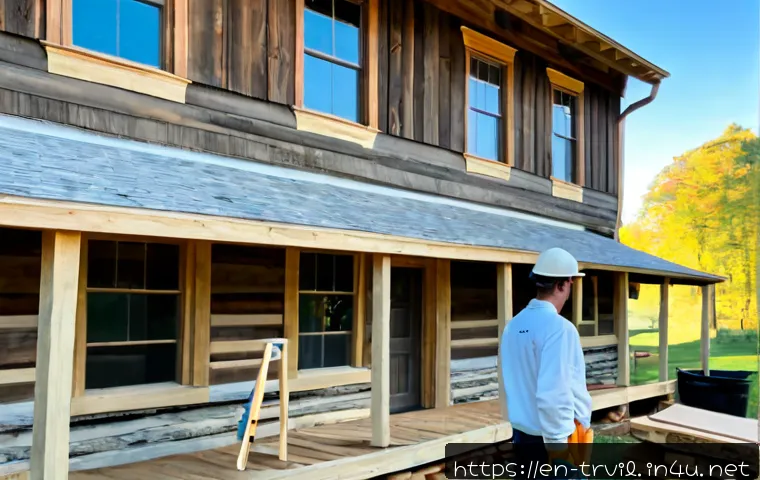
Historic home repair costs are driven more by condition, original materials, access, and specialist labor than by square footage alone. The only reliable budget comes after an on-site assessment and a written, itemized contractor quote.
For many owners, preserving an original feature may cost more initially than replacing it, but it can better protect the home’s character and long-term value.
Start with water control, roof condition, drainage, and structural concerns before spending on decorative upgrades. Comparing restoration contractor quotes line by line helps reveal missing work, allowances, and change-order risks.
If the property may have preservation requirements, confirm those rules before finalizing the scope or schedule. A phased plan can make major work more manageable without ignoring urgent repairs.
At a Glance
- Scope drives the budget: hidden damage, original materials, access, and specialist trades can change the final cost.
- Protect the building first: address water intrusion, drainage, roof damage, and structural movement before cosmetic work.
- Compare like for like: use one written scope of work when requesting historic-home contractor quotes.
| Decision Area | Option to Consider | Best Question to Ask |
|---|---|---|
| Contractor selection | General contractor or restoration specialist | Does the team have relevant experience with the specific original material or feature? |
| Original components | Repair, replicate, or replace | Can the existing component be stabilized or repaired before full replacement is chosen? |
| Project schedule | Phased repairs or one larger project | Which items must be completed now to prevent secondary damage? |
| Quote review | Low initial price or detailed scope | What labor, materials, permits, allowances, and exclusions are included? |
The Short Answer: What Drives a Historic Home Repair Budget?
A historic home repair budget depends on the building’s actual condition, the materials involved, local labor conditions, and how easily workers can reach the damaged area. A small repair in a difficult location may require more planning than a larger, accessible repair. Homes with original plaster, masonry, timber, sash windows, decorative trim, or traditional roofing may also need specialist trades rather than standard renovation labor.
Condition, Access, Materials, and Specialist Labor
The visible issue is not always the full scope. A stained ceiling, loose plaster, or deteriorated exterior board may be connected to moisture, failed drainage, roof damage, or movement elsewhere in the building. Access limitations matter as well: work at height, behind finished surfaces, or around fragile original features can require extra care. Material availability can also affect timing and quote allowances, particularly when a contractor must match an older component rather than install a modern standard product.
Why a Low Initial Quote May Not Represent the Final Cost
A low quote is not automatically a poor choice, but it should be read carefully. It may exclude permits, disposal, protective work, finish repairs, material matching, or repairs discovered after opening a wall, roof, or floor. Ask each contractor to identify allowances, exclusions, and change-order terms in writing. That makes it easier to see whether one proposal is genuinely less expensive or simply less complete.
Repairs That Should Be Prioritized Before Cosmetic Updates
Give priority to problems that allow water into the house or threaten building stability. Roof damage, gutter failures, poor drainage, water intrusion, and signs of structural movement can create secondary damage when delayed. Cosmetic improvements can usually wait until the building is dry, protected, and stable. This order may also prevent newly finished surfaces from being damaged by an unresolved underlying problem.
Compare Repair Options Before Setting a Budget
Preserve, Repair, Replicate, or Replace: How the Choices Differ
Original features deserve a practical review rather than an automatic replacement decision. Preservation may mean retaining an element with minimal intervention. Repair focuses on making a component functional while keeping as much original fabric as possible. Replication creates a matching replacement where a portion has failed. Replacement may be appropriate when the component cannot reasonably perform its intended role.
Repair can cost more upfront than replacement because it may require careful removal, material matching, and skilled labor. However, it may better retain the home’s appearance and value. Ask a restoration professional to explain what can be saved, what has failed, and what the proposed method changes about the original feature.
General Contractor Versus Historic-Restoration Specialist
A general contractor may be a suitable fit for straightforward maintenance or coordinated work across several trades. A historic-restoration specialist can be especially useful when the project involves traditional plaster, masonry, timber, sash windows, period detailing, or other original components that need conservation-minded methods. The key is not the title alone. Review relevant past work, the proposed scope, and who will actually perform the specialist task.
Phased Repairs Versus a Full Renovation Project
A phased approach can help owners handle work in a logical order: weatherproofing first, structural or moisture-related repairs next, then interior finishes and cosmetic improvements. A larger combined project may reduce repeated disruption, but it can also expose more concealed conditions at once. Choose the approach that protects safety and the building envelope without pushing urgent work into the future.
Common Cost Areas in Older and Traditional Houses
Roofs, Gutters, Drainage, and Moisture Control
These areas often deserve early attention because water can affect multiple parts of an older home. A roof issue, blocked gutter, or drainage failure may contribute to damp interiors, masonry deterioration, timber damage, or damaged finishes. Request a scope that identifies the source of moisture rather than only describing the visible result.
Foundations, Masonry, Timber Framing, and Exterior Cladding
Movement, cracking, decay, and deteriorated exterior materials need careful assessment. The suitable repair depends on what is happening behind the surface and whether water is involved. Avoid assuming that a surface patch is a complete solution. For masonry or timber work, ask whether the contractor’s proposed materials and methods are compatible with the existing construction.
Original Windows, Doors, Plaster, Floors, and Period Details
These features often define the character of a traditional house. Before approving replacement, ask whether targeted repair can improve operation, weather resistance, or appearance. Original sash windows, plasterwork, doors, and floors may need specialist restoration materials and labor. A detailed repair-versus-replacement comparison should state what original material will remain and what will be removed.
Electrical, Plumbing, Heating, and Insulation Upgrades
Older homes may have hidden conditions in framing, wiring, plumbing, or insulation that are not known until work begins. Modern upgrades should be planned alongside the historic fabric of the property, especially when walls, ceilings, or floors must be opened. Coordinate these trades early so that new work does not unnecessarily damage original finishes or duplicate later work.
How to Get Reliable Estimates and Avoid Scope Gaps
Build a Room-by-Room and Exterior Condition List
Create a simple record of visible concerns before requesting contractor quotes. Include rooms, exterior elevations, roof and drainage observations, windows and doors, visible cracks, damp areas, and features you want to preserve. Photos and notes can help contractors understand the request, but they do not replace an on-site inspection.
Ask for Itemized Labor, Materials, Allowances, and Permits

Ask for an itemized scope of work before comparing prices. A useful proposal separates labor, materials, allowances, permit-related work where applicable, and the repair method for important original features. If planning, conservation, or heritage review may apply, ask who will confirm the requirement and how it could affect timing or scope.
Compare Exclusions, Warranties, Timelines, and Change-Order Terms
Look beyond the total figure. Check what each contractor excludes, what warranty terms are offered, what assumptions support the schedule, and when a change order may be issued. A clear proposal should make it easier to understand what happens if concealed damage, supply delays, or additional preservation requirements are discovered.
Set a Contingency for Concealed Damage and Supply Delays
Contingency planning is commonly important in old-house projects because hidden framing, foundations, wiring, plumbing, and insulation may not be visible before work starts. Rather than treating contingency as optional, discuss it directly with the contractor. Ask which unknowns are most likely for your building and how discoveries will be documented before additional work proceeds.
Budgeting by Situation: Maintenance, Urgent Repairs, and Restoration
When a Targeted Repair Is the Sensible Choice
A targeted repair can be sensible when the issue is limited, the cause is understood, and the surrounding material remains sound. It may also be the better choice when preserving an original component is important. The scope should explain why the repair is expected to address the issue and what monitoring, if any, may still be needed.
When Delaying Work Can Increase Total Ownership Costs
Delaying a cosmetic update may be reasonable. Delaying water entry, drainage problems, roof damage, or structural movement can allow secondary damage to develop. The practical question is not simply whether the repair is inconvenient today, but whether waiting could affect more of the building tomorrow.
Planning a Multi-Year Restoration Budget Without Sacrificing Safety
For a broad restoration, group work by urgency and dependency. Stabilize the structure and control moisture first. Then plan systems upgrades and major exterior repairs. Finish with interior restoration and decorative details when those areas are less likely to be disturbed again. Keep written records of inspections, scopes, completed work, and remaining priorities for future quote reviews.
Choosing a Contractor and Comparing Quotes
Experience Indicators That Matter for Older Properties
Look for relevant experience with the actual work proposed, not only a general claim of working on old houses. Ask whether the contractor has handled comparable plaster, masonry, timber, window, roofing, or decorative-detail repairs. Review how they describe protection of existing features, material matching, and discoveries behind finished surfaces.
Questions to Ask Before Approving a Repair Proposal
Ask what is included, what is excluded, and what assumptions are built into the quote. Ask who will perform specialist work, whether permits or preservation review may be required, and how change orders will be approved. Also ask which original materials can remain in place and which must be removed. Request an itemized scope before comparing prices.
A Final Checklist for Balancing Price, Preservation, and Durability
- Does the proposal address the cause of the damage, not only the visible symptom?
- Are repair and replacement options explained for important original features?
- Are labor, materials, allowances, exclusions, and permit-related responsibilities clear?
- Does the contractor have relevant historic-home or restoration experience?
- Is there a documented process for concealed conditions and change orders?
Selection Criteria and Comparison Summary
Choose a proposal based on more than the bottom-line figure. Confirm that it protects the building from water, identifies structural concerns, explains the treatment of original materials, and clearly states exclusions. Compare contractor quotes against the same scope whenever possible. For specialist inspections, restoration materials, or preservation-related requirements, review the official service details and project conditions on the relevant provider’s page before committing.
In Closing
Historic home repairs require a balance between budget control and respect for the building’s original fabric. Start with the issues that can cause ongoing damage, then make preservation decisions with a clear understanding of repair and replacement options. A detailed scope and careful quote comparison provide a stronger basis for planning than a quick estimate based on appearance alone. When conditions are hidden or rules may apply, allow time for proper assessment.
Useful Information to Keep in Mind
Keep records: Store photos, inspection notes, contractor scopes, permits, and change orders together. Document original details: Record existing windows, trim, plaster, floors, and masonry before work begins. Coordinate trades: Plan electrical, plumbing, heating, and insulation work before restoring finishes. Confirm local requirements: Preservation, planning, or heritage review can affect the permitted scope and project timeline.
Important Notes
No exact repair cost can be determined without an on-site assessment, local context, material selection, access review, and contractor quote. The legal status of a property and any preservation restrictions must be confirmed locally. Hidden conditions in framing, foundations, wiring, plumbing, and insulation may change the scope after work begins. Repair, partial replacement, and full replacement should be evaluated for the specific component rather than assumed in advance.
Frequently Asked Questions
Q1. Is it usually cheaper to repair or replace original windows in a historic home?
A1. It depends on the window’s condition, the extent of deterioration, the desired performance, and the skill required for the work. Replacement may appear simpler, while repair can require specialist sash-window labor and careful material matching. However, repairing original windows may preserve more of the home’s character. Request a written repair-versus-replacement comparison for the specific windows.
Q2. Should I hire a general contractor or a restoration specialist for an older house repair?
A2. A general contractor may be appropriate for straightforward work or projects involving several common trades. A restoration specialist may be a stronger choice for original plaster, masonry, timber, sash windows, roofing, or decorative elements that require traditional methods. Compare relevant experience, the proposed scope, and the people who will perform the work.
Q3. How much contingency should I include when budgeting repairs for an old home?
A3. Older-home projects commonly need contingency planning because concealed conditions may be found after work begins. The appropriate amount depends on the building, the scope, and the unknowns identified during inspection. Ask each contractor which concealed conditions are most likely, what is excluded from the quote, and how added work will be approved and documented.