As urban living pushes us toward sleek, modern designs, there’s a growing curiosity about how traditional architecture can offer sustainable and harmonious alternatives.
Hanok, the timeless Korean home, masterfully blends natural elements with innovative building techniques that still inspire today’s eco-conscious lifestyles.
Exploring Hanok architecture reveals not just beautiful craftsmanship but a deep respect for nature’s rhythms, something many modern homes often overlook.
If you’ve ever wondered how ancient wisdom can shape the future of living spaces, this journey into Hanok design might just change your perspective. Let’s dive in and uncover the secrets behind these elegant, nature-infused homes.
Embracing Natural Climate Control in Home Design
Harnessing Seasonal Changes for Comfort
One of the most striking aspects of traditional Korean homes is their innate ability to adapt to seasonal shifts without relying on modern HVAC systems.
The structure is designed to capture warmth during chilly winters and provide cool shade throughout scorching summers. Through strategic orientation and the use of natural materials like wood and clay, these homes maintain a pleasant indoor climate year-round.
Experiencing this firsthand, I noticed how the house seemed to breathe, opening up to the sun’s warmth and closing off to keep the cold at bay, all without flipping a switch.
This passive climate control reflects a deep understanding of nature’s cycles that many contemporary homes overlook, relying heavily on electricity and artificial means instead.
Ventilation That Works With Nature
Ventilation in these homes is not just about airflow but about harmonizing with the environment. The clever placement of windows and doors facilitates cross-ventilation, ensuring fresh air circulates continuously.
Unlike many airtight modern homes that can feel stuffy or overly conditioned, these designs encourage natural air exchange, reducing the need for mechanical ventilation.
I’ve found that this kind of airflow not only improves air quality but also enhances well-being by connecting occupants with the outdoor environment. It’s a simple yet profoundly effective way to maintain comfort while cutting down on energy consumption.
Material Choices That Breathe
Wood, clay, and paper—these are the unsung heroes of natural temperature regulation in traditional Korean homes. These materials have natural insulating properties and can absorb or release moisture, helping to moderate indoor humidity levels.
I remember stepping inside one such home on a humid summer afternoon and feeling an immediate coolness that was both refreshing and soothing. This natural breathability contrasts sharply with many modern synthetic materials that trap heat and moisture, often leading to discomfort and higher energy bills.
Embracing these age-old materials offers a pathway to creating healthier, more sustainable living spaces.
Integrating Indoor and Outdoor Living Seamlessly
Flowing Spaces that Invite Nature In
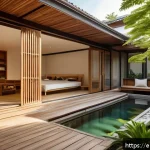
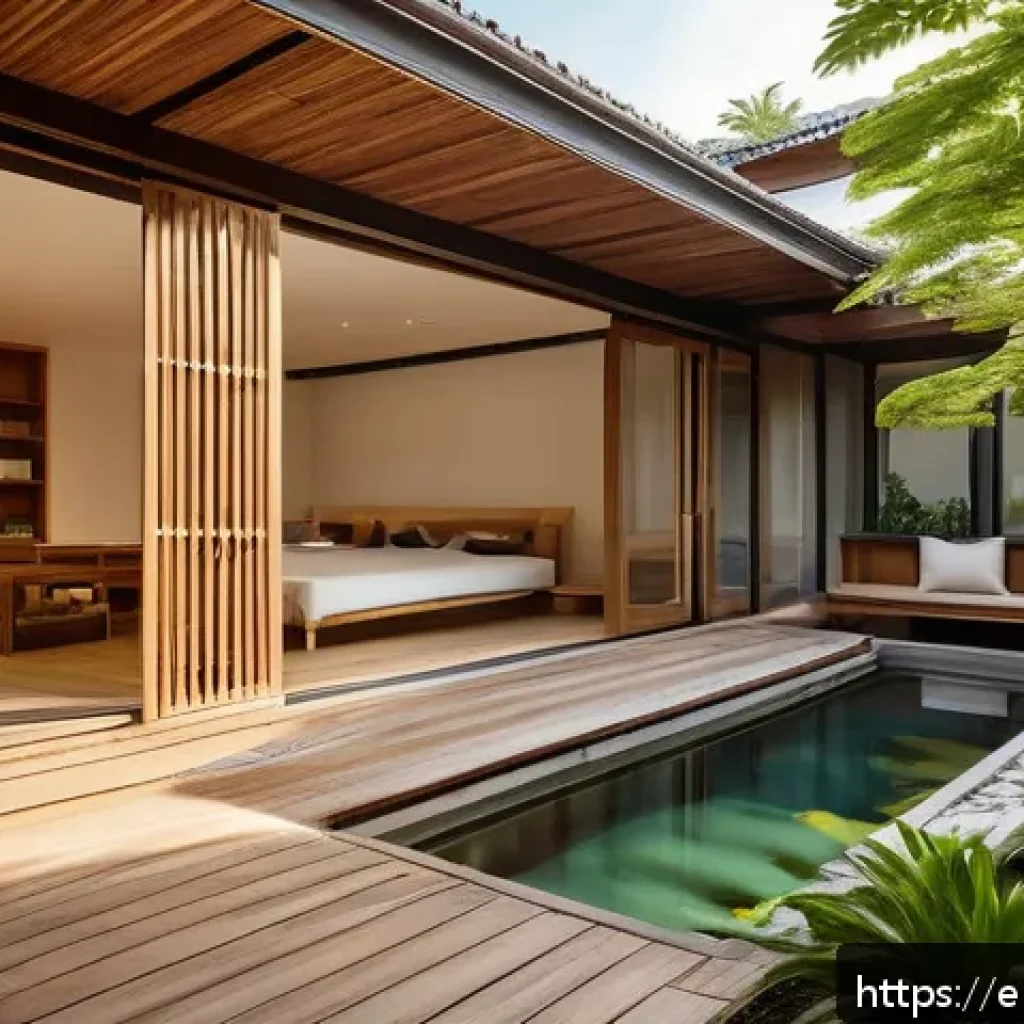
One of the most inspiring elements of these homes is how they blur the boundaries between inside and outside. The open courtyards, verandas, and sliding doors create a fluid transition that encourages residents to engage with their surroundings.
Walking through such a space, I felt a constant connection to nature—the rustle of leaves, the scent of earth, and the play of sunlight through wooden screens.
This design philosophy fosters mindfulness and relaxation, reminding us how modern homes can feel disconnected from the natural world.
Courtyards as Social and Ecological Hubs
The central courtyard isn’t just an aesthetic feature but a functional heart of the home. It serves as a gathering place, a garden, and a natural regulator of light and air.
I’ve noticed that these courtyards bring an element of calm and community that’s often missing in urban settings. They also provide ecological benefits, such as rainwater absorption and habitat for local flora and fauna.
This multifunctional approach to space is a lesson in maximizing utility without compromising beauty or sustainability.
Flexible Spaces for Changing Needs
The architecture supports adaptability, with rooms that can be opened or closed off depending on the season or occasion. This flexibility allows residents to customize their living environment in harmony with nature’s demands.
In my experience, this has a profound impact on comfort and energy efficiency, as spaces are only heated or cooled when necessary. Such thoughtful design encourages a lifestyle that’s responsive rather than reactive, something that modern static floor plans often fail to achieve.
Eco-Friendly Materials and Construction Techniques
Locally Sourced, Renewable Resources
The emphasis on using materials that come from nearby forests or fields not only reduces transportation emissions but also supports local economies and craftsmanship.
When I visited a recently restored traditional home, I was impressed by how every piece of timber and stone seemed to tell a story of place and purpose.
This connection to local resources embodies sustainability in its truest form—minimizing waste and honoring the environment.
Low-Impact Construction Methods
Building techniques prioritize minimal disturbance to the land, using joinery methods that avoid toxic chemicals or heavy machinery. Observing this approach, I could see how it preserves soil integrity and reduces carbon footprints.
These methods also extend the lifespan of the building, as natural materials age gracefully and can be repaired rather than discarded. It’s a refreshing contrast to the disposable mentality that often dominates modern construction.
Durability and Longevity Through Craftsmanship
The meticulous craftsmanship that goes into these homes results in structures that last centuries. I’ve spoken with artisans who treat building as both an art and a science, passing down knowledge through generations.
This dedication to quality means fewer resources spent on repairs or replacements, contributing to long-term sustainability. It’s inspiring to witness how skill and patience can create homes that serve multiple generations while respecting the planet.
Balancing Aesthetic Beauty with Practical Living
Elegant Simplicity That Feels Warm
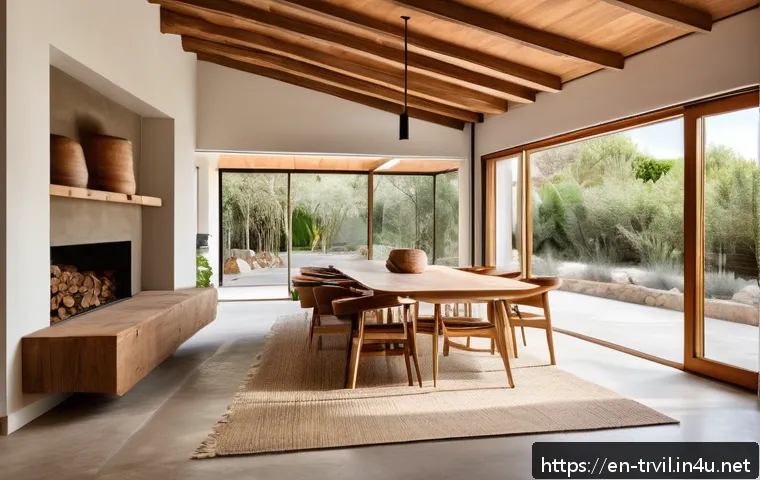
Traditional Korean homes embody a minimalist elegance that never feels cold or impersonal. The natural textures and muted tones create a soothing atmosphere that invites relaxation.
Having spent time in such a space, I can attest that this simplicity actually enhances comfort, stripping away distractions and emphasizing what truly matters—light, air, and connection.
This aesthetic could be a game-changer for modern design, which often leans too heavily on flashy trends rather than timeless beauty.
Functional Design Rooted in Daily Life
Every element, from the raised floors to the placement of storage, serves a practical purpose without sacrificing style. For example, the ondol heating system embedded in the floors provides cozy warmth while freeing up wall space.
I found this integration of form and function deeply satisfying, as it respects human needs while celebrating tradition. This approach reminds us that beauty and utility need not be mutually exclusive.
Personalization Within a Traditional Framework
While rooted in tradition, these homes offer ample room for personalization—whether through decor, furniture, or layout adjustments. I’ve met families who blend modern comforts with traditional aesthetics seamlessly, creating spaces that honor heritage without feeling outdated.
This flexibility makes the style accessible and relevant for today’s diverse lifestyles, encouraging homeowners to express their individuality within a sustainable framework.
Health Benefits of Living Closer to Nature
Improved Air Quality and Mental Wellness
The use of natural materials and ventilation systems results in significantly better indoor air quality compared to sealed modern homes. I’ve noticed that spending time in these environments reduces stress and promotes a sense of calm, likely due to the presence of organic elements and natural light.
Research supports these observations, linking natural surroundings to improved mood and cognitive function. It’s a powerful reminder that where we live profoundly affects how we feel.
Connection to Seasonal Rhythms
Living in a home that responds to the cycles of nature fosters a heightened awareness of time and place. This connection can encourage healthier habits, such as aligning sleep and activity patterns with daylight hours.
Experiencing this myself, I felt more balanced and energized simply by tuning into the environment rather than fighting against it with artificial lighting and temperature controls.
Encouragement of Active Outdoor Living
The design naturally encourages residents to spend time outside, whether in courtyards or surrounding gardens. This access to green spaces promotes physical activity and social interaction, both vital for overall health.
I’ve seen how families use these areas for everything from gardening to relaxation, enhancing their quality of life. Incorporating such features into modern urban homes could help combat sedentary lifestyles and social isolation.
Comparison of Traditional and Modern Home Sustainability Features
| Feature | Traditional Korean Home | Typical Modern Home |
|---|---|---|
| Climate Control | Passive heating and cooling using orientation, natural materials, and ondol floor heating | Active heating/cooling via HVAC systems consuming electricity or gas |
| Materials | Locally sourced wood, clay, paper; biodegradable and renewable | Synthetic composites, plastics, concrete; often non-renewable and less eco-friendly |
| Ventilation | Natural cross-ventilation through strategic openings | Sealed environments requiring mechanical ventilation systems |
| Energy Consumption | Low due to passive design and minimal mechanical systems | High, especially in heating, cooling, and lighting |
| Indoor Air Quality | High, with breathable materials and natural airflow | Variable, often compromised by synthetic materials and poor ventilation |
| Connection to Nature | Seamless indoor-outdoor flow, courtyards, natural light | Often limited, with closed designs and artificial lighting |
Incorporating Hanok Principles into Contemporary Living
Adapting Passive Design Strategies
Even if you live in a modern city apartment, you can borrow ideas from these homes—like maximizing natural light and airflow. I’ve tried rearranging furniture and opening windows strategically to mimic cross-ventilation, which noticeably improved comfort without extra energy use.
Small changes inspired by traditional principles can yield big benefits.
Choosing Sustainable Materials
When renovating or building, selecting natural, renewable materials makes a difference. Incorporating wood finishes, clay plasters, or breathable textiles not only enhances aesthetics but also indoor air quality.
I’ve found that these materials add warmth and character, making the space feel more inviting and less sterile.
Creating Flexible, Nature-Connected Spaces
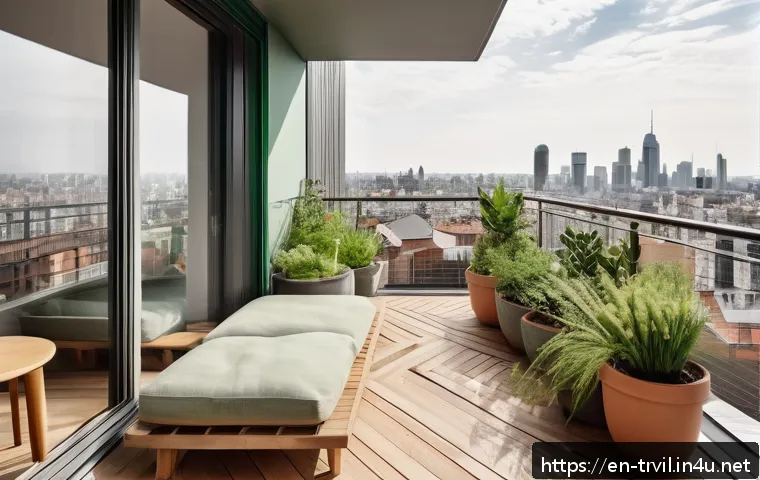
Designing multipurpose rooms and incorporating indoor plants or small garden spaces can bring some of that courtyard magic indoors. Even a balcony garden or a sunroom helps reconnect us with nature, promoting well-being.
Personal experience shows that these elements invite relaxation and creativity, making the home a true sanctuary.
Closing Thoughts
Embracing traditional design principles offers timeless solutions for creating comfortable, sustainable homes. By blending natural materials, passive climate control, and seamless indoor-outdoor connections, we can foster healthier living environments. These age-old strategies remind us that harmony with nature not only benefits our well-being but also supports long-term ecological balance. Integrating these ideas into modern living holds great promise for a more mindful and energy-efficient future.
Helpful Information to Remember
1. Passive design techniques, such as strategic orientation and natural ventilation, significantly reduce energy consumption and improve indoor comfort.
2. Choosing renewable, locally sourced materials like wood and clay enhances air quality and creates healthier spaces.
3. Flexible living areas that adapt to seasonal changes allow for personalized comfort and efficient use of energy.
4. Incorporating natural elements and outdoor spaces into home design supports mental wellness and encourages active lifestyles.
5. Small adjustments inspired by traditional homes—like maximizing natural light and airflow—can make a big difference even in modern apartments.
Key Takeaways
Traditional architectural principles demonstrate how sustainable living can be achieved through thoughtful design that respects natural cycles and local resources. Prioritizing passive climate control, breathable materials, and flexible spaces leads to healthier, more comfortable homes while minimizing environmental impact. By learning from these time-tested methods, we can create modern living spaces that are both beautiful and eco-friendly, fostering a stronger connection to nature and enhancing overall well-being.
Frequently Asked Questions (FAQ) 📖
Q: What makes Hanok architecture more sustainable compared to modern homes?
A: Hanok homes prioritize natural materials like wood, clay, and stone, which are locally sourced and biodegradable, reducing environmental impact. Their design incorporates natural ventilation and insulation techniques that regulate indoor temperatures efficiently, minimizing reliance on artificial heating and cooling.
From my experience visiting a Hanok village, the natural airflow and thermal comfort inside these homes are remarkable, showcasing how traditional methods can align perfectly with eco-friendly living.
Q: How does Hanok architecture connect residents with nature?
A: Hanok design emphasizes harmony with the surrounding environment by positioning the house to maximize sunlight and preserve natural landscapes. Features like the ondol floor heating system use earth’s warmth, while open courtyards invite outdoor elements inside.
Living in or visiting a Hanok creates a unique rhythm with the seasons and weather, making you feel more grounded and aware of nature’s cycles—something that’s often missing in typical urban apartments.
Q: Can Hanok principles be adapted for modern urban housing?
A: Absolutely. While traditional Hanok construction suits rural or suburban settings, its core ideas—using sustainable materials, natural ventilation, and integrating indoor and outdoor spaces—can inspire urban home designs.
For example, incorporating wooden elements, passive cooling, and green courtyards or balconies can bring Hanok’s benefits to city dwellers. I’ve seen some contemporary architects blending these principles into modern condos, resulting in healthier, more comfortable living environments that respect both tradition and urban needs.