Exploring the materials used in traditional homes opens a fascinating window into sustainable living and architectural heritage. These structures often feature natural, reusable resources that not only reduce environmental impact but also add unique character and durability.

From reclaimed wood to locally sourced stone, each element tells a story of craftsmanship and mindful resource use. Understanding how these materials can be repurposed today offers valuable insights for eco-conscious building practices.
Let’s dive deeper to uncover the potential and benefits of these timeless materials!
Timeless Timber: The Charm and Functionality of Reclaimed Wood
Origins and Qualities of Reclaimed Wood
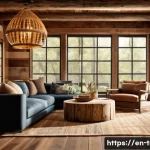
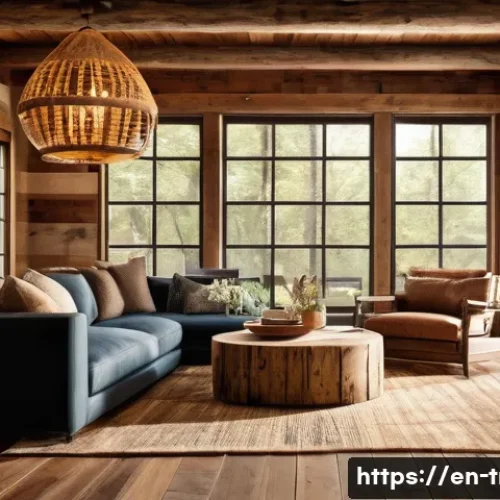
Reclaimed wood, often salvaged from old barns, factories, or even shipyards, carries a story etched into every grain. The beauty lies not only in its aged appearance, with unique knots and weathered textures, but also in its superior strength.
Unlike freshly cut lumber, reclaimed wood has stood the test of time, often coming from slow-growing trees that yield denser, more durable timber. This durability makes it a favorite for flooring, furniture, and structural beams in traditional homes.
From my own experience renovating a rustic cabin, using reclaimed wood added a warmth and authenticity that new wood simply can’t replicate.
Environmental Benefits and Practical Uses
By repurposing reclaimed wood, builders and homeowners significantly reduce demand for freshly harvested timber, thereby conserving forests and lowering carbon emissions tied to processing new materials.
Additionally, this wood is less likely to warp or shrink, reducing maintenance over time. In practical terms, reclaimed wood can be used for a variety of interior and exterior applications, including accent walls, cabinetry, and outdoor decking.
I’ve found that its natural variations allow for creative design choices, making each piece a one-of-a-kind element in a home’s overall aesthetic.
Challenges and Considerations When Using Reclaimed Wood
Despite its benefits, working with reclaimed wood isn’t without challenges. It often requires careful inspection to remove nails, screws, or other metal fragments, and may need treatment to eliminate pests or mold.
Furthermore, sourcing consistent quality and quantity can be tricky, especially for larger projects. From my perspective, partnering with reputable suppliers who specialize in reclaimed materials is crucial to ensure both safety and quality.
Nevertheless, the extra effort pays off when you see how the wood enriches the character of a home.
Earthen Elements: The Enduring Appeal of Natural Stone
Varieties and Characteristics of Stone Used in Traditional Homes
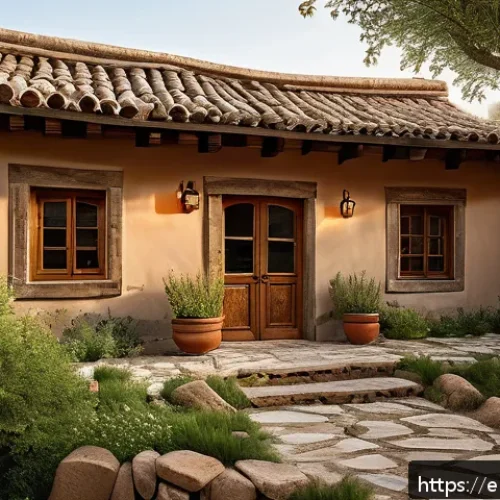
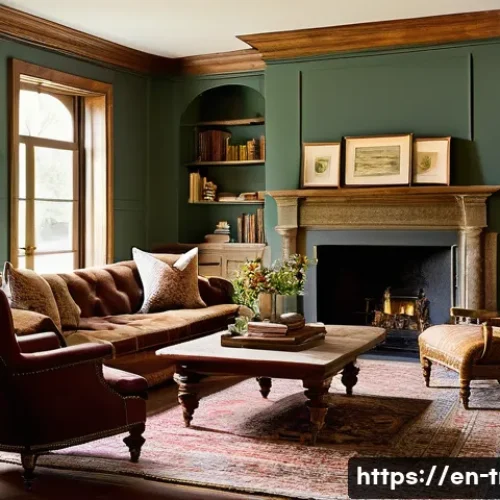
Natural stone, such as limestone, granite, and sandstone, has been a cornerstone of traditional architecture for centuries. Each type of stone offers distinct aesthetic and structural qualities — granite is prized for its hardness and resistance to weathering, while limestone provides a softer, more workable surface that ages beautifully.
In old homes, stone often forms the foundation, walls, or fireplaces, contributing to both durability and thermal mass, which helps regulate indoor temperature naturally.
I’ve noticed that stone’s timeless look adds a certain gravitas and permanence to any building.
Sustainability and Local Sourcing
One of stone’s biggest sustainability advantages is its longevity; stone structures can last hundreds of years with minimal upkeep. When sourced locally, stone reduces transportation emissions and supports regional economies.
I recall visiting a small quarry near my hometown where local builders used nearby stone, which strengthened community ties and preserved local architectural traditions.
This localized approach to building materials fosters a sense of place and sustainability that modern construction often overlooks.
Incorporating Stone in Modern Eco-Friendly Designs
Today, stone remains a popular choice for eco-conscious builders who want to blend traditional materials with contemporary design. Using stone in facades, landscaping, or even interior accents can reduce reliance on synthetic materials and lower overall environmental impact.
From personal projects, I’ve found that combining stone with modern insulation techniques creates homes that are not only beautiful but energy-efficient and comfortable year-round.
Natural Fibers and Earthy Finishes: Plaster, Clay, and Straw
Traditional Plaster and Clay Walls
Many heritage homes feature walls finished with natural plaster or clay, materials that are breathable and non-toxic. These finishes help regulate humidity, reducing indoor pollutants and improving air quality.
In my experience, plastered walls provide a soft, matte texture that enhances natural light diffusion, creating a calm and inviting atmosphere. Plus, they’re surprisingly resilient to minor cracks and wear, often self-healing with the right moisture balance.
The Role of Straw in Sustainable Insulation
Straw, often used in traditional wattle and daub or cob construction, serves as an excellent natural insulator. It’s renewable, biodegradable, and readily available in agricultural regions.
When packed tightly, straw can keep homes warm in winter and cool in summer, reducing energy consumption. I’ve seen several eco-builds where straw bale walls became a key component of sustainable design, combining affordability with environmental responsibility.
Challenges in Maintenance and Modern Adaptations
While natural finishes and straw insulation bring many benefits, they require attentive maintenance to prevent moisture damage or pest infestation. Modern adaptations often include protective coatings or integrating these materials with contemporary vapor barriers to extend durability.
From trial and error in my own home renovations, balancing tradition with innovation is essential for maximizing these materials’ lifespan and performance.
Metal Accents and Fasteners: The Unsung Heroes
Recycled Metal in Traditional Construction
Although wood and stone often take the spotlight, metals like wrought iron and copper have played crucial roles in traditional homes, from nails and hinges to decorative elements.
Recycled metal is particularly sustainable, as it can be melted down and reused indefinitely without loss of quality. I’ve enjoyed restoring antique metalwork on vintage doors, appreciating how these pieces blend functionality with artistry.
Durability and Corrosion Resistance
Certain metals, especially copper and galvanized steel, resist corrosion and weathering, extending the life of traditional buildings. Using recycled metals that maintain these properties is a smart choice for sustainable construction.
Based on my observations, these metals often require less maintenance than synthetic alternatives, reducing long-term costs and environmental impact.
Design Opportunities with Metal Reuse
Metalwork offers unique opportunities for creative expression, from ornate railings to custom lighting fixtures. Incorporating reclaimed metal can add a rustic or industrial flair while aligning with eco-friendly values.
In one renovation, I repurposed old copper pipes into pendant lights, creating a stunning visual feature that also told a story of resourcefulness and sustainability.
Comprehensive Overview of Traditional Materials and Their Modern Applications
| Material | Traditional Uses | Sustainability Benefits | Modern Adaptations |
|---|---|---|---|
| Reclaimed Wood | Flooring, beams, furniture | Reduces deforestation, durable | Accent walls, cabinetry, decking |
| Natural Stone | Foundations, walls, fireplaces | Longevity, local sourcing reduces emissions | Facades, landscaping, interior accents |
| Plaster and Clay | Wall finishes | Non-toxic, breathable, regulates humidity | Eco-friendly wall treatments with vapor barriers |
| Straw | Insulation in wattle and daub, cob | Renewable, biodegradable | Straw bale walls in sustainable builds |
| Recycled Metal | Fasteners, hinges, decorative elements | Infinite recyclability, corrosion resistance | Custom fixtures, structural accents |
Water Management Through Traditional Techniques and Materials

Clay Tiles and Natural Roofing Materials
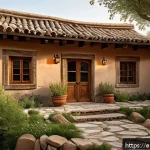
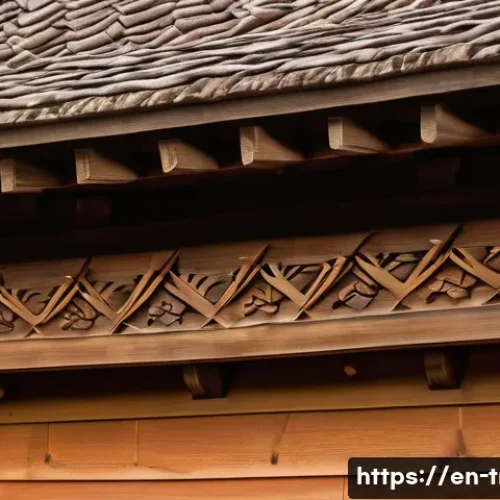
Clay roofing tiles have been a staple in many traditional homes, prized for their durability and natural ability to shed water. These tiles are often handmade, allowing for unique textures and colors that blend harmoniously with the environment.
I’ve seen firsthand how clay tiles, when properly maintained, can last for decades, reducing the need for frequent replacements and waste. Their thermal properties also help regulate indoor temperatures, contributing to energy efficiency.
Stone Gutters and Drainage Systems
In older homes, stone gutters and drainage channels were skillfully integrated to manage rainwater runoff, preventing soil erosion and foundation damage.
These systems relied on gravity and the natural slope of the land, requiring no electricity or complex machinery. While modern drainage often relies on synthetic pipes, revisiting these traditional methods can inspire eco-friendly alternatives that are both effective and aesthetically pleasing.
During a restoration project, I appreciated how these stone channels added charm while serving a practical purpose.
Rainwater Harvesting and Reuse
Collecting rainwater in barrels or cisterns is another ancient technique that aligns well with sustainability goals today. Traditional homes often incorporated simple systems to capture and store water for irrigation or household use.
In my gardening experience, using harvested rainwater not only conserves municipal resources but also benefits plants by providing naturally soft water free of chemicals.
Thermal Comfort Through Material Selection and Design
Thermal Mass and Passive Cooling
Materials like stone and adobe have high thermal mass, meaning they absorb heat during the day and release it slowly at night. This natural process stabilizes indoor temperatures without mechanical cooling.
From living in homes with thick stone walls, I noticed how summers felt cooler indoors, and winters retained warmth longer. This passive design reduces reliance on HVAC systems, cutting energy bills and carbon footprints.
Natural Insulation from Plant-Based Materials
Beyond straw, other plant-based materials like hemp, wool, and cork have been used traditionally as insulation. These fibers trap air effectively, providing warmth and soundproofing.
I experimented with hemp insulation in a small renovation and was impressed by its breathability and moisture regulation, qualities that synthetic insulations often lack.
Ventilation Strategies Rooted in Tradition
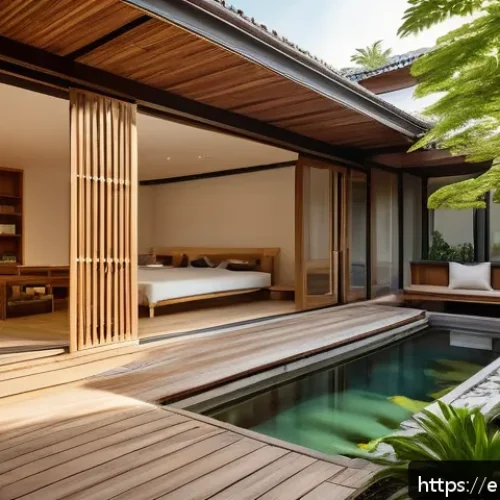
Cross-ventilation, high ceilings, and strategically placed windows are design features that complement natural materials in regulating indoor air quality and temperature.
These passive ventilation techniques, common in vernacular architecture, reduce dependence on electric fans or air conditioning. I always recommend considering these principles when working with natural materials to maximize comfort and sustainability.
Craftsmanship and Cultural Significance Embedded in Materials
Handcrafted Techniques and Local Knowledge
Traditional homes are often a testament to the skill and artistry of local craftsmen who knew how to work with available materials to create durable, beautiful structures.
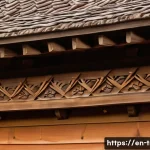
These techniques, passed down through generations, reflect a deep understanding of the environment and resources. When I worked alongside artisans restoring a historic cottage, I realized how much cultural identity is embedded in every carved beam and carefully laid stone.
Storytelling Through Material Use
Each material in a traditional home carries stories of place and people—whether it’s the markings on reclaimed wood or the patterns in stone masonry. These narratives enrich our living spaces and connect us to history.
I find that homes built or restored with this mindset foster a sense of belonging and respect for the past.
Preserving Heritage While Embracing Sustainability
Balancing preservation with modern sustainability goals can be challenging but rewarding. Using traditional materials thoughtfully allows us to honor architectural heritage while reducing environmental impact.
From my experience, integrating old materials with new technologies creates homes that are not only eco-friendly but also rich in character and soul.
Concluding Thoughts
Traditional materials like reclaimed wood, natural stone, and plant-based fibers offer timeless beauty and remarkable sustainability. Their unique qualities not only enhance the character of a home but also contribute to eco-friendly living. Embracing these materials connects us to craftsmanship and heritage while supporting modern environmental goals. From my own experiences, integrating these elements creates spaces that are both warm and enduring.
Useful Information to Keep in Mind
1. Reclaimed wood provides durability and aesthetic warmth but requires thorough inspection for nails and pests before use.
2. Natural stone offers excellent thermal mass and longevity, making it ideal for foundations and energy-efficient designs.
3. Plant-based insulation materials like straw and hemp help regulate indoor humidity and reduce energy consumption.
4. Traditional water management methods, such as clay tiles and stone gutters, remain effective and environmentally friendly today.
5. Combining traditional craftsmanship with modern techniques ensures both heritage preservation and improved sustainability.
Key Takeaways
Choosing traditional materials thoughtfully can elevate both the aesthetic and environmental value of a home. It’s important to source quality reclaimed or natural materials from trusted suppliers to avoid common pitfalls. Maintenance considerations, especially with organic materials, require attention but pay off in longevity and comfort. Integrating passive design principles with these materials maximizes energy efficiency and indoor air quality. Ultimately, these approaches honor cultural heritage while promoting sustainable living for future generations.
Frequently Asked Questions (FAQ) 📖
Q: What are the most common natural materials used in traditional homes, and why were they favored?
A: Traditional homes often use materials like reclaimed wood, clay, stone, and straw. These were favored because they were locally available, reducing transportation needs, and offered excellent insulation and durability.
For example, stone provides natural thermal mass, keeping interiors cool in summer and warm in winter. Using such materials also meant builders could craft homes that harmonized with their environment, making the structures both sustainable and culturally meaningful.
Q: How can reclaimed materials from traditional homes contribute to modern sustainable building practices?
A: Reclaimed materials bring a unique blend of sustainability and character to modern construction. By repurposing wood beams, bricks, or stones from old buildings, we reduce the demand for new resources and minimize waste.
From my experience, using reclaimed wood adds warmth and history to a space that new materials can’t replicate. Plus, these materials often come with proven durability, meaning they can last for generations when incorporated thoughtfully into new designs.
Q: Are there any challenges when using traditional materials in contemporary architecture?
A: Absolutely, integrating traditional materials today comes with some hurdles. Sourcing high-quality reclaimed materials can be time-consuming and sometimes costly.
Additionally, modern building codes and insulation standards might require adaptations to traditional methods. However, with proper planning and skilled craftsmanship, these challenges can be overcome.
In fact, blending old materials with modern techniques often results in homes that are both energy-efficient and rich in character—a rewarding balance for eco-conscious homeowners.