Discover the Surprising Functions of Traditional Courtyards in Modern Homes

webmaster

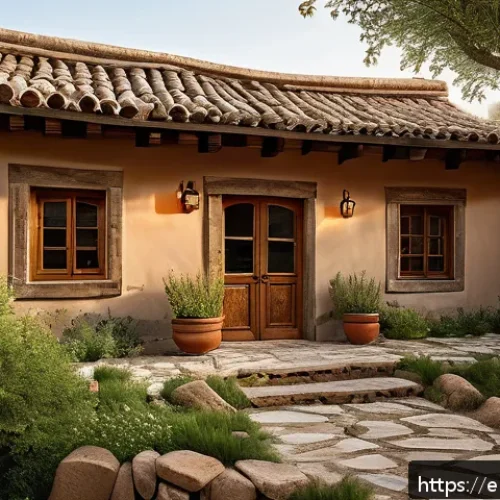
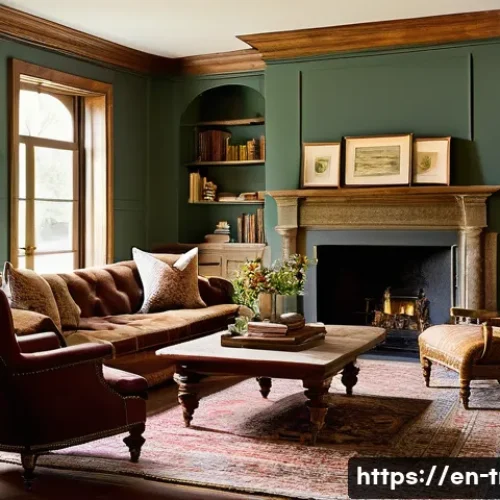
한옥 마당의 역할 - A serene traditional Korean hanok courtyard at golden hour, featuring natural wood beams and stone p...

Stepping into a traditional Korean house, or hanok, you’ll notice the courtyard isn’t just empty space—it’s a vital part of daily life and culture. This open area serves as a natural gathering spot, connecting indoor and outdoor living while enhancing ventilation and sunlight.

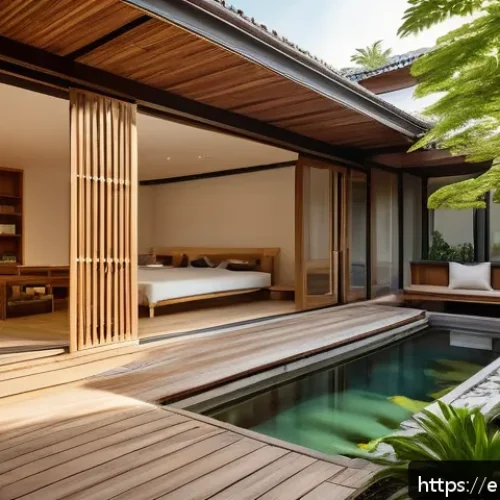
한옥 마당의 역할 관련 이미지 1

Beyond practicality, the courtyard reflects harmony with nature, offering a peaceful retreat that balances modern needs with timeless traditions. Understanding its role helps us appreciate the thoughtful design behind hanoks.

Let’s dive deeper and explore what makes the hanok courtyard so special!

The Living Heart of a Hanok

A Hub for Family and Friends

The courtyard in a hanok is much more than just a physical space; it’s the beating heart of family life. From my own experience visiting traditional Korean homes, I noticed that this open area naturally draws people together.

Whether it’s children playing under the sun or adults sharing stories in the evening breeze, the courtyard serves as the perfect stage for daily interactions.

It’s where generations connect, bridging the gap between old and new. The design encourages gatherings without forcing them, making socializing feel effortless and relaxed.

Blending Nature with Daily Living

One of the most captivating things about the hanok courtyard is how seamlessly it integrates nature into everyday life. Unlike modern homes that often separate indoor comfort from the outside world, hanoks invite the environment inside through this open space.

The courtyard usually features plants, small trees, or even a stone pathway that invites you to pause and appreciate the natural elements. I’ve found that this connection to nature not only enhances the aesthetic but also calms the mind, creating a sanctuary right at home.

Ventilation and Light: Nature’s Design

Practicality plays a huge role in the courtyard’s design, especially when it comes to ventilation and lighting. In a hanok, airflow is carefully orchestrated to keep the house cool in summer and warm in winter, and the courtyard acts as a natural chimney for air circulation.

The sunlight filters gently through the open space, brightening rooms without harsh glare. I remember feeling the difference when I stayed in a hanok during the summer—there was a refreshing breeze that modern air conditioning simply can’t replicate, making the experience both eco-friendly and comfortable.

Advertisement

Architectural Balance Between Privacy and Openness

Creating a Safe Enclosure

Hanok courtyards are designed to be private yet inviting. The surrounding walls and wooden structures enclose the space, shielding it from the outside world.

This creates a sense of safety and seclusion, which I think is essential for anyone wanting to relax fully at home. The layout cleverly balances openness with boundaries, giving residents the freedom to enjoy fresh air and sunshine without worrying about passersby or street noise.

Seamless Transition From Inside to Outside

What strikes me most is how effortlessly the courtyard connects indoor rooms with outdoor spaces. Sliding wooden doors and wide verandas open directly onto the courtyard, erasing the line between inside and outside.

This transition encourages residents to move freely, whether to tend a garden, dry clothes, or simply sit and reflect. It’s a fluid design that adapts to all seasons, making the courtyard an extension of the living space rather than a separate entity.

The Cultural Significance of Boundaries

In Korean culture, boundaries have deep symbolic meaning, and the courtyard reflects this beautifully. It acts as a buffer zone where family members can interact privately while keeping the outside world at bay.

This subtle separation respects both personal space and social connection. Having observed several hanoks, I can say that this respectful use of space enhances harmony, making the home feel balanced and intentional.

Advertisement

Seasonal Changes and Their Impact on Use

Spring and Summer Activities

During warmer months, the courtyard becomes a lively hub of activity. From my visits to hanoks in spring, I’ve seen families use the courtyard for everything from tea ceremonies to casual picnics.

The open sky and gentle breeze create an ideal environment for gatherings or quiet contemplation. It’s also the perfect spot for growing seasonal plants, which add vibrant color and fragrance, enriching the sensory experience.

Autumn’s Cozy Ambiance

As the leaves change color, the courtyard takes on a warm, inviting atmosphere. I recall autumn evenings where the courtyard was used for small bonfires or storytelling sessions, wrapped in blankets and surrounded by the glow of lanterns.

The natural materials of the hanok, like wood and stone, absorb and radiate warmth, making the courtyard a cozy retreat even when the air turns crisp.

Winter’s Quiet Reflection

Even in winter, the courtyard holds its charm. Snow often blankets the space, turning it into a serene, almost magical scene. While the courtyard might be less active during this season, it provides a beautiful view from inside the warm rooms.

I personally enjoyed watching snowflakes drift down while sipping hot tea indoors, feeling connected to nature despite the cold. The courtyard’s design allows this seasonal rhythm to be appreciated rather than ignored.

Advertisement

Traditional Materials and Their Role in the Courtyard

Natural Wood and Stone Elements

The materials used in and around the courtyard play a big role in defining its atmosphere. From my hands-on experience in hanok restoration projects, I’ve learned that natural wood and stone aren’t just aesthetic choices—they’re practical, sustainable, and culturally meaningful.

Wood provides warmth and texture, while stone offers durability and grounding. Together, they create a tactile environment that invites touch and interaction, making the courtyard feel alive and welcoming.

Eco-Friendly Construction Techniques

The hanok courtyard embodies eco-friendly principles that modern architecture often overlooks. The use of breathable clay walls, natural insulation, and wooden beams ensures a healthy living environment.

I’ve noticed that these materials regulate humidity and temperature naturally, reducing the need for artificial climate control. This ancient wisdom aligns perfectly with today’s sustainability goals, proving that traditional design still has a lot to teach us.

Symbolic Meaning Behind Material Choices

Every element in the courtyard carries symbolic weight. Wood represents growth and vitality, while stone symbolizes stability and endurance. During my visits, I’ve observed how these materials are carefully selected and placed to honor these meanings.

This thoughtful approach transforms the courtyard from a mere space into a narrative of life cycles and harmony, deepening the emotional connection residents feel toward their homes.

Advertisement

Multifunctional Uses That Adapt Over Time

Daily Routines and Practical Uses

The courtyard isn’t just for show—it’s a working part of the home. I’ve seen how it’s used for drying clothes, preparing food outdoors, or even storing firewood.

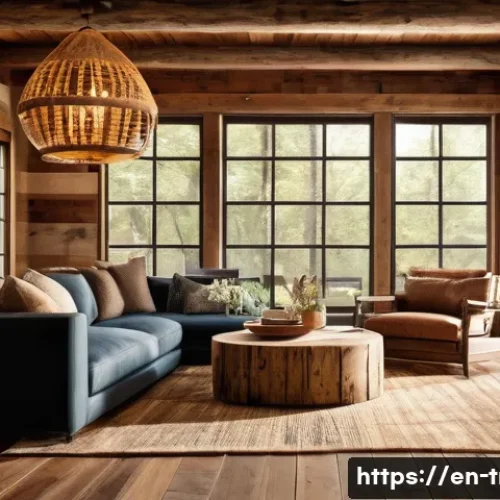
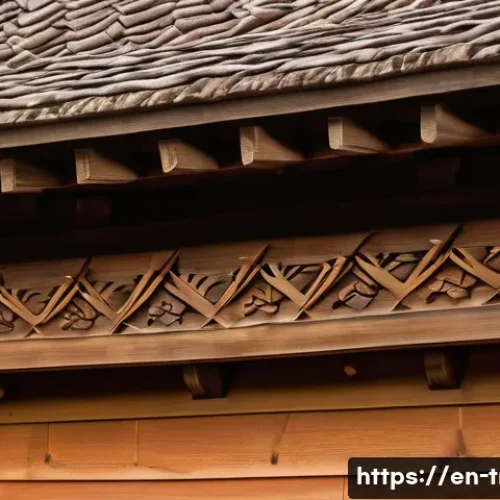
한옥 마당의 역할 관련 이미지 2

These practical functions make the space indispensable, and the design supports these activities with clever details like drainage systems and shaded areas.

The courtyard’s flexibility means it adapts to the family’s needs without losing its character.

Celebrations and Special Occasions

From traditional holidays to modern gatherings, the courtyard serves as a perfect venue. I’ve experienced hanok celebrations where lanterns light up the night, and tables overflow with food, all centered around this open area.

The courtyard’s open-air nature allows for larger groups while maintaining intimacy, creating an atmosphere that feels festive yet personal.

Quiet Moments and Personal Reflection

Beyond social functions, the courtyard offers quiet corners for meditation, reading, or simply daydreaming. I personally found these moments invaluable during my stays in hanoks—stepping outside to the courtyard felt like hitting a reset button.

This duality of lively gathering space and peaceful retreat is what makes the courtyard so uniquely balanced.

Advertisement

How Courtyard Design Influences Modern Architecture

Inspiration for Contemporary Homes

The hanok courtyard has inspired many modern architects to rethink indoor-outdoor living. I’ve followed projects where designers incorporate similar open-air spaces to improve ventilation and foster community within urban homes.

These adaptations show how timeless principles can meet today’s lifestyle needs, creating healthier, more enjoyable living environments.

Challenges of Integrating Tradition and Innovation

While the courtyard concept is appealing, it’s not without challenges. In dense cities, space is limited, and privacy concerns differ from traditional settings.

I’ve talked with architects who struggle to balance openness with security, often resorting to creative landscaping or partial enclosures. These solutions demonstrate the ongoing dialogue between preserving heritage and embracing progress.

Benefits Beyond Aesthetics

Modern adaptations of the courtyard aren’t just about looks—they improve mental well-being and air quality. My personal experience in homes with courtyard-inspired designs confirmed this; having a natural, open space inside the house reduces stress and increases satisfaction.

This holistic benefit explains why the hanok courtyard continues to influence design worldwide.

Aspect Traditional Hanok Courtyard Modern Adaptation
Purpose Family gatherings, ventilation, natural light Indoor-outdoor flow, social interaction, eco-friendly design
Materials Wood, stone, clay walls Wood, glass, sustainable composites
Privacy Enclosed by walls, intimate Partial enclosures, landscaping for privacy
Seasonal Use Active in all seasons with natural adjustments Designed for year-round comfort with climate control
Functionality Multipurpose: social, practical, ceremonial Flexible spaces for living, working, relaxing
Advertisement

Emotional Connection and Cultural Identity

Feeling Rooted Through Space

There’s a powerful emotional link between people and their hanok courtyard. From what I’ve observed, it’s a place where memories are made—children’s laughter, quiet conversations, and family traditions all weave into the fabric of daily life.

This sense of rootedness is hard to replicate in modern apartments or minimalist homes. The courtyard grounds residents in their history and culture, creating a deep sense of belonging.

Preserving Heritage in a Fast-Paced World

In today’s rapidly changing society, maintaining cultural identity can feel challenging. The hanok courtyard acts as a living symbol of heritage, reminding people of their roots amidst modern chaos.

I’ve met families who cherish their courtyards as sacred spaces, passing down stories and customs that might otherwise fade. This preservation is a quiet but powerful act of cultural resilience.

Personal Reflections on Hanok Visits

Having spent time in several hanoks, I can say the courtyard experience is unforgettable. It’s not just about aesthetics or function—it’s about feeling connected to something bigger than yourself.

For me, stepping into a hanok courtyard was like entering a space where time slows down, and the noise of the modern world fades away. It’s this emotional resonance that makes the courtyard truly special.

Advertisement

Closing Thoughts

The hanok courtyard is more than just an architectural feature; it embodies a lifestyle where family, nature, and tradition come together in harmony. Experiencing this space offers a glimpse into a way of living that balances openness with privacy and practicality with beauty. It reminds us how thoughtfully designed spaces can nurture both connection and reflection.

Advertisement

Useful Information to Keep in Mind

1. Hanok courtyards serve as natural ventilation systems, reducing the need for artificial cooling and heating.

2. The use of natural materials like wood and stone not only enhances aesthetics but also supports sustainability and indoor comfort.

3. Courtyards act as multifunctional spaces, adapting to daily routines, celebrations, and quiet moments alike.

4. Seasonal changes influence how the courtyard is used, offering vibrant activity in warm months and peaceful reflection in colder seasons.

5. Modern architecture increasingly draws inspiration from hanok courtyards to improve indoor-outdoor living and promote well-being.

Advertisement

Key Takeaways

The hanok courtyard perfectly balances openness with privacy, fostering family bonds and cultural continuity. Its design integrates nature seamlessly, promoting sustainability and comfort. Serving multiple functions throughout the year, it adapts to both social and personal needs. This traditional space continues to inspire modern living by emphasizing harmony, well-being, and a deep emotional connection to home.

Frequently Asked Questions (FAQ) 📖

Q: What is the main purpose of the courtyard in a traditional Korean hanok?

A: The courtyard in a hanok primarily serves as a central space that connects the indoor rooms with the outdoors. It’s designed to improve natural ventilation and allow sunlight to flow into the home, making the living environment more comfortable.
Beyond function, it acts as a communal area where family members can gather, relax, and enjoy nature, reflecting a lifestyle deeply connected to harmony and balance.

Q: How does the hanok courtyard reflect Korean cultural values?

A: The courtyard embodies Korean values of harmony with nature and community. It’s not just an architectural feature but a space that encourages peaceful coexistence with the natural world.
The openness and simplicity promote mindfulness and tranquility, which are key aspects of traditional Korean living. This design also respects seasonal changes, allowing residents to experience nature’s rhythms throughout the year.

Q: Can modern homes benefit from incorporating a hanok-style courtyard?

A: Absolutely. Incorporating a hanok-style courtyard into modern homes can enhance natural light and airflow, reducing reliance on artificial lighting and air conditioning.
It also creates a serene outdoor space that promotes relaxation and social interaction, which is often missing in urban living. From my own experience, having a small courtyard or garden area drastically improved the overall atmosphere of my home, making it feel more open and connected to nature.

📚 References


➤ Link

– Google Search

➤ Link

– Bing Search

➤ Link

– Google Search

➤ Link

– Bing Search

➤ Link

– Google Search

➤ Link

– Bing Search

➤ Link

– Google Search

➤ Link

– Bing Search

➤ Link

– Google Search

➤ Link

– Bing Search

➤ Link

– Google Search

➤ Link

– Bing Search

➤ Link

– Google Search

➤ Link

– Bing Search

➤ Link

– Google Search

➤ Link

– Bing Search