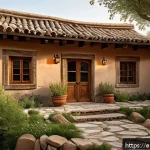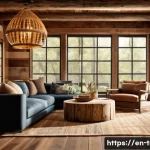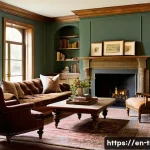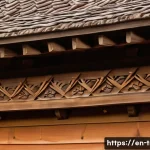
You know, there’s something truly magical about traditional Korean Hanok. I’ve spent countless hours admiring their elegant lines and the way they harmoniously blend with nature.
It’s more than just a house; it’s a philosophy of living, an art form that offers a unique sense of calm and connection to the environment. Lately, I’ve noticed a real surge in interest from around the world – and frankly, I totally get it!
With so much focus on sustainable living and creating mindful spaces, Hanok designs are truly having their moment in the spotlight, offering a refreshing alternative to typical modern homes.
But, if you’re dreaming of bringing a piece of this ancient wisdom into your own living space, whether it’s a full build or just incorporating some design elements, there are definitely a few crucial things you need to consider to get it just right.
Trust me, I’ve seen both amazing successes and some head-scratching misses when people try to adapt these beautiful structures. So, if you’re ready to explore the fascinating world of Hanok design and make sure your project is nothing short of perfection, let’s get into the nitty-gritty details right now!
Understanding the Core Philosophy: More Than Just Walls

Embracing the Spirit of Nature and Harmony
You know, when I first truly experienced a Hanok, it wasn’t just the beautiful architecture that struck me; it was the profound sense of peace and connection to nature.
It’s truly something else. This isn’t just about constructing a building; it’s about embodying a philosophy where the structure breathes with its surroundings.
Think about it: the way the ‘madang’ (courtyard) acts as the lung of the home, drawing in light and air, or the natural flow between indoor and outdoor spaces that blurs the lines.
My own travels through Korea, visiting countless historic Hanoks and even some modern interpretations, have shown me that losing this fundamental connection means you’re missing the whole point.
We’re talking about a design that respects the land, uses natural light and airflow brilliantly, and creates an environment that genuinely nurtures the soul.
It’s a dialogue between human-made and nature, a dance really, and it’s what sets Hanok apart from so many other architectural styles. Before you even think about floor plans or materials, really sit with this idea.
How can your design enhance your personal connection to the natural world? What elements of calm and balance are you trying to invite into your everyday life?
This isn’t just a design choice; it’s a lifestyle shift, and it’s absolutely worth taking the time to truly understand its depth. It’s about finding that serene balance in your own space.
Beyond Aesthetics: The Intentionality of Every Detail
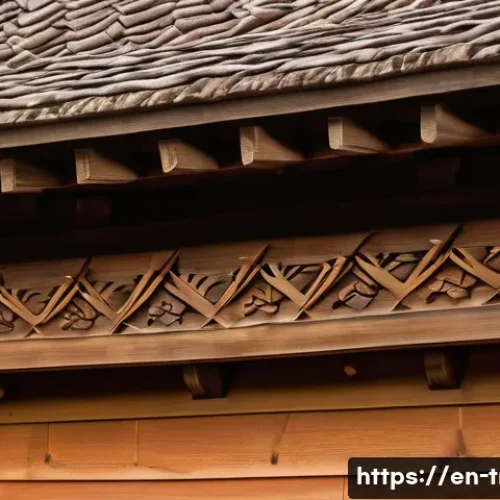
It’s easy to get swept away by the sheer beauty of a Hanok—the gracefully curved eaves, the intricate latticework, the warm wood tones. But trust me, there’s so much more to it than just pretty pictures for your Pinterest board.
Every single element in a traditional Hanok serves a purpose, deeply rooted in centuries of practical wisdom and an understanding of human well-being.
From the ‘ondol’ heating system that radiates warmth from the floor up, providing a cozy comfort that you just don’t get with forced air, to the ‘hanji’ paper windows that filter light so softly it feels like a dream, nothing is accidental.
When I was exploring adaptations for a friend’s small guesthouse project, we realized how tempting it was to pick and choose elements purely for their look.
But we quickly learned that for the design to truly *feel* right, we had to understand the ‘why’ behind each feature. For instance, those beautiful wooden pillars aren’t just structural; they often guide the flow of energy and define spaces without harsh boundaries.
If you’re going to embark on a Hanok-inspired build or renovation, you simply *must* dive deep into the intentionality of these details. It’s about creating a space that doesn’t just look authentic but *functions* authentically, enriching your daily life in ways you might not have imagined.
It’s a commitment to thoughtful living, and the rewards are immeasurable.
Navigating the Design Process: Blending Tradition with Your Lifestyle
Finding the Right Balance for Modern Living
Alright, let’s talk about the exciting, sometimes tricky, part of bringing Hanok into your modern world. While the traditional Hanok is a marvel, let’s be real – not many of us are ready to commit to squat toilets or a total lack of built-in storage.
My personal journey with design projects has taught me that the magic lies in finding that sweet spot where ancient wisdom meets contemporary comfort.
You want to honor the essence of Hanok without sacrificing the conveniences that make your daily life flow. This means critically assessing your needs: how do you use your kitchen, your bathroom, your living spaces?
Do you need integrated smart home technology? Are you dreaming of a home office or a dedicated workout space? It’s about taking those core Hanok principles—like openness, natural light, and material honesty—and applying them through a modern lens.
I’ve seen some truly brilliant adaptations where traditional sliding doors (the ‘mun’) are paired with modern insulation, or where the ‘maru’ (wooden floored living space) seamlessly flows into a contemporary, open-plan kitchen.
It’s about making it *yours*, not just replicating something old. This stage requires a lot of introspection and honesty about your lifestyle, and it’s where a skilled designer can truly shine, helping you bridge that gap beautifully.
Don’t be afraid to experiment, but always with a deep respect for the original spirit.
Customizing for Climate and Site Specifics
Now, here’s a crucial point that often gets overlooked by those enchanted purely by the aesthetics: a traditional Hanok was designed for *Korea’s specific climate*.
I’ve seen beautiful designs that looked utterly out of place, or worse, felt incredibly uncomfortable, because they weren’t adapted to their new environment.
Building a Hanok-inspired home in, say, the humid subtropics of Florida is vastly different from building one in the snowy mountains of Colorado. You have to consider your local climate’s unique demands for insulation, ventilation, and sun exposure.
Will the broad eaves, designed to shield from summer sun and allow winter sun in, work effectively in your specific latitude and with your local sun path?
Will the natural ventilation strategies be sufficient for your summer humidity, or will you need to thoughtfully integrate modern HVAC? My own experience helping friends with a desert-based project revealed that we needed to significantly adjust window placements and material choices to manage extreme heat fluctuations.
This isn’t about compromising the Hanok spirit; it’s about intelligently evolving it. Think about thermal mass, orientation, shading strategies, and how traditional Hanok elements can be reinterpreted to perform optimally in *your* location.
This customization is absolutely vital for both comfort and energy efficiency, ensuring your beautiful home is also a joy to live in year-round.
The Material Quest: Sourcing Authenticity and Sustainability
Choosing Woods and Finishes with Purpose
Oh, the materials! This is where you really start to feel the essence of a Hanok come alive. The tactile experience of natural wood, the subtle scent of pine, the warmth of earthy finishes—it’s just unparalleled.
In traditional Hanok, wood isn’t just a structural element; it’s a character, a storyteller. Often, specific woods like pine or zelkova were chosen for their strength, beauty, and even symbolic meaning.
But for us, building outside of Korea, the challenge becomes sourcing materials that not only capture that authentic look and feel but are also sustainable and locally appropriate.
I’ve spent countless hours researching timber suppliers, looking for reclaimed wood, or exploring sustainable forestry options that mirror the spirit of traditional Hanok construction.
It’s not just about getting *any* wood; it’s about understanding its grain, its durability, and how it will age gracefully, developing that beautiful patina over time.
You also need to think about the finishes: natural oils, waxes, or traditional lacquers (‘ottchil’) that allow the wood to breathe and express its inherent beauty, rather than sealing it under synthetic layers.
My advice? Don’t skimp here. Invest in high-quality, sustainably sourced wood.
It’s the soul of your Hanok, and it will contribute immensely to the overall atmosphere and longevity of your home. The right wood truly sings.
Integrating Traditional Elements with Modern Performance
This part is all about balancing that exquisite traditional aesthetic with the demands of modern performance. We adore the look of ‘hanji’ paper, for example, for its translucent quality and soft light diffusion, but let’s be honest, a paper window isn’t going to meet modern insulation requirements in most climates.
So, how do we get that magical Hanok feel while still having a home that’s energy-efficient and comfortable? This is where innovation comes in. I’ve seen incredible solutions where traditional wooden lattice patterns are incorporated into double-paned glass units, giving the appearance of ‘hanji’ while offering superior thermal performance.
Similarly, you might use high-performance insulation behind natural clay walls, or choose engineered wood products that offer stability and sustainability while still maintaining the authentic visual appeal.
It’s a meticulous process of selection. When I was consulting on a project in New England, we had to be incredibly thoughtful about this, opting for highly insulated wall systems that could withstand harsh winters, but cladding them in traditional wooden panels to maintain the visual integrity.
The key is to work with architects and builders who understand both traditional Hanok construction and modern building science. They can help you find those clever integrations that preserve the beauty without compromising on comfort or safety.
Climate Adaptation: Bringing Hanok Comfort to Any Environment
Rethinking Ondol and Maru for Diverse Climates
If you’ve ever experienced an ‘ondol’ heated floor in a traditional Hanok, you know it’s pure bliss—that radiant warmth permeating the whole space is simply divine.
But trying to directly replicate a traditional ‘ondol’ system, which often involved heating smoke channels beneath the floor, isn’t always practical or permitted in modern construction codes, especially outside of Korea.
So, we adapt! I’ve found that modern radiant floor heating systems, whether electric or hydronic, can beautifully emulate that cozy ‘ondol’ feeling. They provide consistent, gentle heat that truly makes a space feel inviting.
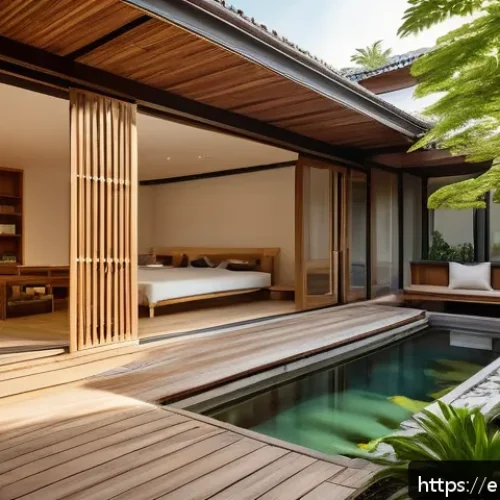
Similarly, the ‘maru,’ that elevated wooden floor area, is a central feature for summer cooling in Korea, allowing air to circulate beneath. In a Western context, where central air conditioning is more common, the ‘maru’ can still serve as a fantastic zone for gathering, dining, or simply enjoying the transition between indoors and outdoors.
You might integrate discreet ventilation systems or even use ceiling fans above the ‘maru’ to enhance air circulation without losing its aesthetic appeal.
The trick is to capture the *essence* of these traditional elements—their function and comfort—and translate them using modern, compliant technologies that suit your local climate.
It’s about smart design, not just blind imitation.
Optimizing for Natural Light and Airflow
One of the absolute genius aspects of Hanok design, in my humble opinion, is its masterful use of natural light and airflow. Traditional Hanoks were incredibly responsive to their environment, designed to maximize sunlight in winter and provide shade and cross-ventilation in summer.
As someone who’s always chasing that perfect balance of natural light in my own spaces, I’ve really learned from these principles. The expansive windows and sliding doors, the strategically placed ‘changho’ (paper doors), and the overall open layout all contribute to a feeling of spaciousness and connection to the outdoors.
When adapting this, it means meticulously planning your home’s orientation on its site. Where does the sun rise and set? How does the wind typically blow?
Can you create natural ventilation pathways using opposing windows or strategically placed courtyards? I’ve seen some fantastic examples where operable skylights are integrated to draw hot air upwards, or where carefully designed overhangs reduce summer solar gain without blocking winter sun.
This isn’t just about aesthetics; it’s about creating a living environment that is inherently comfortable, reducing your reliance on artificial lighting and air conditioning.
It’s truly sustainable design at its best, and it feels incredible to live in a home that breathes with you.
Crafting Your Interior Sanctuary: Layouts and Modern Touches

Designing for Flow and Openness
The beauty of a Hanok’s interior often lies in its remarkable sense of flow and openness. Unlike many Western homes with distinct, closed-off rooms, traditional Hanok spaces tend to be more fluid, with sliding doors (‘mun’) that can open to merge areas or close for privacy.
This creates an incredible versatility, allowing the home to adapt to different needs throughout the day or for various social gatherings. When I’m working on Hanok-inspired interiors, I always emphasize this fluidity.
Think about how you can use subtle changes in floor height, different textures, or even strategically placed screens or furniture to define spaces without building rigid walls.
For example, a raised ‘maru’ area can naturally designate a gathering spot without completely isolating it from an adjacent living room. My own experience has shown me that this approach encourages a more relaxed and communal way of living, making even smaller spaces feel much larger and more adaptable.
It’s about creating a seamless experience, a graceful movement from one area to the next, fostering an environment where both solitude and togetherness can comfortably coexist.
This intentional design for flow truly elevates the daily living experience.
Integrating Modern Amenities Seamlessly
Let’s be honest, as much as we adore the traditional charm, we also want our modern conveniences! The trick with Hanok-inspired design is to integrate these amenities so seamlessly that they enhance, rather than detract from, the overall aesthetic.
This means thoughtful planning for things like state-of-the-art kitchens, luxurious bathrooms, and smart home technology. You don’t want a gleaming stainless steel refrigerator to stick out like a sore thumb in a warm, natural wood kitchen.
Instead, consider custom cabinetry that blends appliances behind panels, or choose finishes that harmonize with the Hanok’s earthy palette. For bathrooms, think about spa-like designs that incorporate natural stone, wood elements, and serene lighting to create a tranquil retreat.
With smart home tech, aim for discreet integrations—hidden speakers, recessed lighting controls, or voice-activated systems that don’t clutter the visual space.
I recently worked on a project where we built a custom media cabinet that perfectly matched the surrounding wooden panels, concealing a large TV when not in use.
It’s all about creating a sense of understated luxury where modern comfort is present but never dominates the traditional beauty.
Budgeting for Your Dream: Investment vs. Expectation
Understanding the True Costs of Custom Hanok Design
Alright, let’s talk numbers, because building your dream Hanok-inspired home is definitely an investment, and it’s crucial to go into it with clear eyes.
Many people initially underestimate the costs involved, thinking that “natural materials” might mean “cheaper.” In reality, custom craftsmanship, specialized materials (even if local), and the attention to detail required for authentic Hanok aesthetics can significantly add up.
You’re not just buying standard lumber; you might be looking at sustainably sourced, specific wood species, skilled carpenters who understand traditional joinery, and specialized finishes.
My personal rule of thumb is to factor in at least 20-30% more for contingency than you would for a conventional build, especially for an international design adaptation.
This includes everything from architect fees for custom plans, engineering for unique structural elements, and the labor costs for artisans. It’s not just the raw materials; it’s the expertise to put them together in a way that truly captures the Hanok spirit.
Expect to pay a premium for quality and authenticity, but consider it an investment in a home that will be truly unique, enduring, and a source of constant joy.
Maximizing Value and Smart Allocations
So, how do you make the most of your budget without compromising on your Hanok vision? It really comes down to smart allocation and knowing where to splurge versus where you can be a little more frugal.
My advice is always to prioritize the core elements that define the Hanok experience. This means investing heavily in the structural integrity, high-quality natural woods, and crucial environmental adaptations like efficient insulation and well-designed ventilation.
These are the elements that are difficult and expensive to change later. Where you might find some flexibility is in non-structural interior finishes or some modern amenities.
Perhaps you start with a simpler kitchen design and upgrade appliances later, or choose more readily available, yet still beautiful, local stones instead of importing specific types.
I’ve seen projects where homeowners saved on certain fixtures to allocate more budget to custom wooden screens, which truly transformed the feel of the space.
It’s about being strategic. Work closely with your architect and builder to identify cost-effective alternatives for less critical elements while ensuring that the essence and integrity of your Hanok-inspired design remain paramount.
| Hanok Design Element | Traditional Purpose | Modern Adaptation/Consideration |
|---|---|---|
| Ondol (Floor Heating) | Radiant warmth from fire-heated flues, energy efficiency | Hydronic or electric radiant floor heating systems for comfort and energy efficiency, often paired with modern insulation. |
| Maru (Wooden Deck/Space) | Elevated platform for airflow and coolness in summer, social gathering area | Integrated as a transition space, reading nook, or dining area; can feature modern decking materials or remain open concept with thoughtful ventilation. |
| Madang (Courtyard) | Central open space for light, air, privacy, and connection to nature | Designed as a private garden, outdoor living area, or central focal point; can incorporate water features, seating, and native landscaping. |
| Changho (Paper Doors/Windows) | Soft light diffusion, natural ventilation, aesthetic beauty | Modern double-pane glass units with internal wooden lattices or textured films to mimic hanji; operable systems for ventilation control. |
| Natural Materials | Local wood, clay, stone, paper for durability and harmony with nature | Sustainably sourced local hardwoods, natural plasters, reclaimed materials; focus on low-VOC finishes for health and environmental impact. |
Finding the Right Partners: Assembling Your Hanok Dream Team
The Importance of a Specialized Architect and Builder
This is probably one of the most critical pieces of advice I can give you: your team is everything. Building a Hanok-inspired home, especially outside of Korea, isn’t your average construction project.
You absolutely need an architect who not only understands the principles of Hanok design but also has experience adapting them to different climates, building codes, and modern living standards.
They need to be fluent in translating traditional aesthetics into practical, buildable plans. Similarly, your builder should ideally have experience with natural materials, specialized joinery, and a keen eye for the unique details that define a Hanok.
I’ve personally witnessed projects go sideways when teams without this specific expertise try to “figure it out” as they go. It often leads to compromises in authenticity, structural issues, or budget overruns.
Look for architects and builders who can show you a portfolio of similar projects, or at the very least, demonstrate a deep understanding and passion for the style.
Don’t be afraid to ask tough questions about their experience with traditional techniques or their approach to sustainable building. Your dream home deserves a dream team, and finding specialists will save you headaches, heartaches, and potentially a lot of money in the long run.
Collaborating for a Cohesive Vision
Once you’ve found your amazing architect and builder, the next step is fostering a truly collaborative relationship. Building a Hanok-inspired home is a journey, and it’s one you embark on together.
You, as the homeowner, are the keeper of the vision—your lifestyle, your preferences, your dreams. The architect translates that into a functional and beautiful design, and the builder brings it to life.
Open communication is paramount. This means regular check-ins, being clear about your expectations, and being open to their professional advice and creative solutions.
I’ve found that the most successful projects are those where there’s a genuine dialogue, where everyone feels heard and valued. For instance, when we were working on a particularly intricate sliding screen design for a client, the carpenter had a brilliant suggestion for a hidden track system that vastly improved functionality without compromising the look.
That only happened because everyone was open to input. Remember, your team members are experts in their fields, and their insights can elevate your project beyond what you initially imagined.
Embrace their creativity and expertise, and you’ll end up with a home that’s not just beautiful, but also a testament to a truly collaborative spirit.
Wrapping Things Up
Whew! We’ve covered a lot today, haven’t we? Bringing the timeless elegance and profound philosophy of Hanok design into your own space is truly a journey, not just a project. I really hope my insights, gleaned from years of exploring and collaborating on unique homes, have given you a solid foundation and sparked even more inspiration. Remember, it’s about so much more than just a beautiful building; it’s about crafting a sanctuary that nurtures your soul, connects you with nature, and brings a profound sense of peace into your everyday life. This is an investment in your well-being, and it’s one you absolutely won’t regret.
Useful Information to Know
1. Don’t be afraid to mix traditional Hanok principles with modern conveniences. The goal is a home that *feels* Hanok, but *functions* for your contemporary lifestyle.
2. Prioritize natural light and ventilation in your design. These elements are key to capturing the Hanok spirit and enhancing daily comfort.
3. Invest in high-quality, sustainable materials, especially for structural wood. This forms the authentic soul of your Hanok-inspired home.
4. Seek out architects and builders who specialize in traditional or natural building methods; their expertise is invaluable for such a unique project.
5. Allow for flexibility in your budget. Custom work and specialized craftsmanship often require a little more financial wiggle room than standard builds, but the result is worth it.
Key Takeaways
Ultimately, designing a Hanok-inspired home is about intentionality and harmony. It’s about deeply understanding how your living space can interact with its environment and elevate your daily existence. Focus on the core philosophies—connection to nature, thoughtful design, and sustainable materials—and you’ll create a home that is not only breathtakingly beautiful but also profoundly enriching. Embrace the journey, and you’ll find yourself living in a space that truly resonates with peace and timeless elegance.
Frequently Asked Questions (FAQ) 📖
Q: I’m absolutely captivated by Hanok, but I’m not in Korea. How realistic is it to build an authentic Hanok-style home in places like the US or Europe, and what kind of budget should I realistically expect?
A: Oh, I totally get where you’re coming from! That Hanok charm is truly intoxicating, isn’t it? As someone who’s seen a lot of folks try to bring that magic home, I can tell you it’s definitely possible to build an authentic-style Hanok outside of Korea, but it’s not a walk in the park, and honestly, it’s not for the faint of heart or light of wallet.
The biggest hurdle, in my experience, is sourcing those unique, traditional materials and finding skilled artisans who truly understand the intricate joinery and specific construction methods.
Think about the specific timber, the traditional roof tiles (giwa), and even the paper for the doors and windows (hanji)—these aren’t things you just pick up at your local hardware store!
I’ve seen projects where people ended up shipping materials directly from Korea, which, as you can imagine, adds a significant chunk to the budget right off the bat.
Then there’s the expertise; finding architects and builders locally who are genuinely well-versed in Hanok design principles can be a real treasure hunt.
You’ll likely need to consult with, or even bring in, Korean experts, and that expertise comes at a premium. Based on what I’ve observed, for a truly authentic, custom-built Hanok outside of Korea, you’re looking at a substantial investment, often starting from well over $500,000 for a modest-sized home, and it can easily climb much higher depending on scale, finishes, and the level of traditional craftsmanship you’re aiming for.
It’s a passion project, for sure, and one that requires patience and a healthy budget, but the end result? Absolutely breathtaking and utterly unique.
Q: I love the serene feel of Hanok, but a full build isn’t feasible for me right now. What are the best ways to incorporate some of those beautiful Hanok design elements into my existing modern home without it looking completely out of place?
A: That’s a fantastic question, and honestly, it’s where a lot of people find their sweet spot in bringing Hanok into their lives! You don’t need to build an entire new house to capture that peaceful, natural essence.
I’ve personally seen incredible transformations with just a few thoughtful touches. My top tip? Start with natural materials and a focus on simplicity.
Think about introducing warm, light-colored wood—perhaps a stunning custom wooden screen or a low-profile wooden console table. The Hanok aesthetic is all about connection to nature, so incorporating subtle elements like large, calm-inducing houseplants, river stones, or even a small indoor water feature can work wonders.
I’m a huge fan of textile choices too; linen or cotton fabrics in muted, earthy tones can instantly soften a modern space and echo that Hanok sensibility.
Lighting is another key player! Instead of harsh overhead lights, try warm, diffused lighting—perhaps rice paper lanterns or sconces that cast a soft glow, mimicking the gentle light filtering through hanji windows.
And don’t forget the power of floor seating or low furniture. A beautiful floor cushion arrangement with a low table can completely transform a corner of your living room, inviting a more grounded and mindful way of living, much like the Hanok tradition.
It’s all about creating a sense of balance, harmony, and a calming flow, and trust me, you can achieve that with just a few well-chosen pieces and a mindful approach.
Q: What are some common pitfalls or misconceptions people have when trying to adapt Hanok designs, and what should I absolutely be aware of before starting any project, big or small?
A: Oh, this is such a crucial question, and one I wish more people asked before diving in! Based on my own observations and chatting with countless design enthusiasts, there are definitely a few common traps.
The biggest one, in my opinion, is underestimating the climate difference. Hanoks were designed for the Korean climate, with specific heating (ondol) and cooling (daecheong maru) systems.
Trying to simply replicate a Hanok in, say, a cold, rainy climate or a humid, tropical one without significant, thoughtful adaptation can lead to major comfort and structural issues.
I’ve seen beautiful Hanok-inspired homes end up with drafts or unexpected condensation because modern insulation and HVAC weren’t properly integrated.
Another pitfall is authenticity versus practicality. Sometimes, people try to be too authentic, which can clash with modern building codes, energy efficiency standards, or simply how we live today.
It’s about finding that beautiful balance between honoring tradition and ensuring livability and compliance. Also, don’t overlook maintenance! Traditional materials sometimes require different care than modern ones.
For instance, natural wood finishes or certain roofing materials might need more regular attention. My best advice? Don’t go it alone.
Find an architect or designer who not only appreciates Hanok but also has a solid understanding of local building codes and modern construction techniques.
And be prepared for a bit of a learning curve – it’s a journey, not just a building project! It’s an investment in a lifestyle, and with the right preparation, those “head-scratching misses” can be entirely avoided.