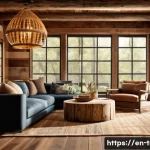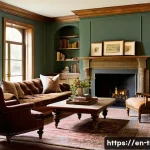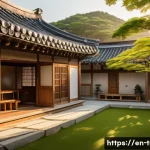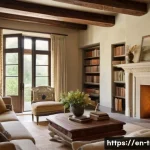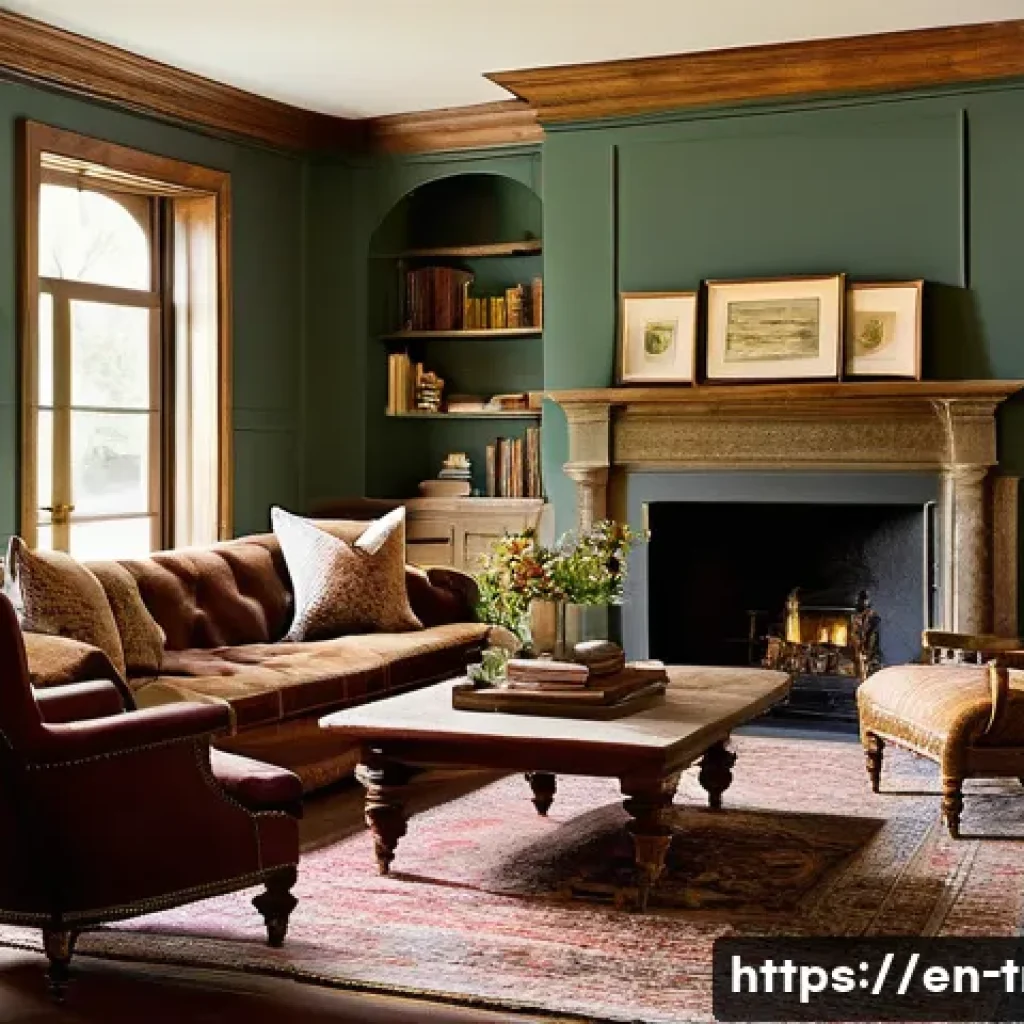
Stepping into a traditional home interior instantly connects you with timeless charm and a sense of history. These spaces often blend natural materials, handcrafted details, and thoughtful layouts that celebrate heritage while offering cozy comfort.
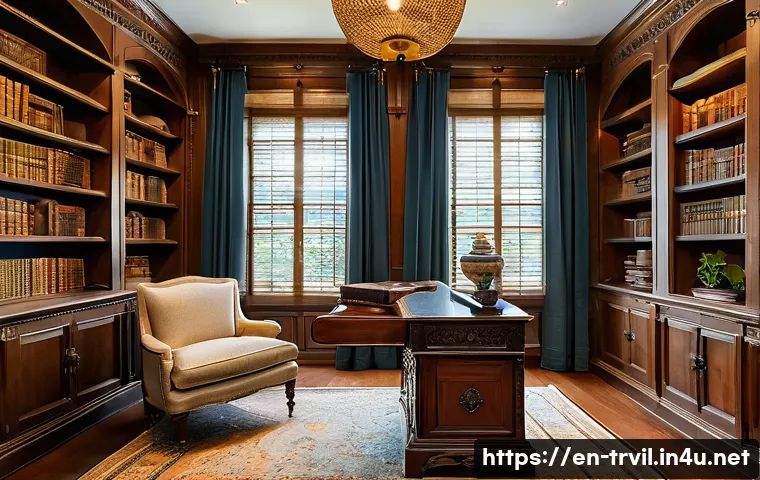
Exploring traditional interior design reveals how cultural stories and age-old craftsmanship come alive in everyday living. Whether you’re drawn to rustic warmth or elegant simplicity, there’s a unique character waiting to be uncovered.
Let’s dive deeper and discover what makes traditional home interiors truly special!
Embracing Natural Materials for Authentic Warmth
Wood: The Heartbeat of Traditional Spaces
Wood plays a central role in traditional home interiors, and its presence creates an immediate sense of warmth and authenticity. Whether it’s hand-carved beams, polished hardwood floors, or rustic furniture, wood’s natural grain and texture bring a story of craftsmanship to life.
I’ve noticed that spaces with exposed wooden elements feel more inviting and timeless, as if the home itself is breathing with history. Using reclaimed wood adds even more character, blending sustainability with a nod to the past.
The tactile quality of wood engages the senses, making it impossible to ignore its charm.
Stone and Brick: Grounding the Design
Stone and brick elements, such as fireplaces, accent walls, or even flooring, anchor traditional interiors in a tactile reality. These materials add texture and depth, balancing the softness of textiles and wood.
In my experience, a stone hearth instantly becomes a focal point, radiating a cozy ambiance that’s hard to replicate with modern materials. The irregularities in natural stone surfaces lend an organic feel, reminding us of nature’s influence in traditional living.
Plus, these materials age beautifully, gaining more appeal over time as they develop a patina that tells their own story.
Textiles and Patterns: Weaving History into Comfort
Traditional homes often incorporate rich textiles—think handwoven rugs, embroidered curtains, or patterned upholstery—that reflect cultural heritage. Patterns like florals, damasks, or plaids carry a sense of continuity, linking generations through design.
I find that layering different textures, such as a wool throw over a linen sofa, adds depth and comfort to the room. These textiles don’t just decorate; they invite touch and create a lived-in feeling that’s both elegant and approachable.
Craftsmanship and Detail: Celebrating Skilled Artistry
Hand-Carved Woodwork and Molding
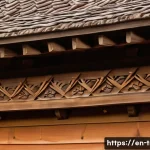
One of the most striking features of traditional interiors is the intricate hand-carved woodwork found in moldings, cabinetry, and furniture. These details showcase the artisan’s skill and add a refined complexity to the space.
From my visits to historic homes, I’ve seen how such elements elevate simple rooms into showcases of heritage. The precision and care invested in each curve or pattern speak volumes about the value placed on craftsmanship in bygone eras.
Metalwork and Hardware: Small Touches, Big Impact
It’s often the smaller details, like wrought iron handles, brass hinges, or decorative locks, that complete the traditional aesthetic. These components may be easy to overlook but are essential in tying together the overall look.
I recall refurbishing a vintage cabinet and swapping out modern knobs for antique brass ones—it instantly transformed the piece, making it feel authentic and cohesive within the traditional scheme.
Built-In Features: Function Meets Elegance
Built-in shelves, window seats, and cabinetry are hallmark elements that combine practicality with classic design. These features often include detailed trim and thoughtful proportions, ensuring that storage and seating don’t disrupt the room’s flow but rather enhance it.
From personal experience, adding built-ins to a living room not only maximizes space but also reinforces the cozy, intentional vibe that traditional interiors strive for.
Color Palettes Rooted in Nature and Tradition
Earthy Tones and Muted Shades
Traditional interiors tend to favor earthy hues—warm browns, soft creams, deep greens, and muted blues. These colors create a calming, grounded environment that echoes the natural materials used throughout the home.
I’ve found that these palettes age well, allowing for subtle updates without losing the room’s original character. The restrained use of color avoids overwhelming the senses, instead inviting relaxation and quiet reflection.
Accents of Rich, Classic Colors
While the base palette is often subdued, traditional interiors embrace occasional bursts of rich color—like burgundy, navy, or gold—to add depth and a touch of luxury.
Incorporating these colors through textiles, artwork, or accent furniture creates visual interest without straying from the classic vibe. I remember a living room where a deep red Persian rug anchored the space, effortlessly complementing the softer tones around it.
Balancing Warmth and Light
Proper lighting is crucial to showcase the color palette’s nuances. Traditional interiors typically utilize warm light sources such as brass chandeliers, sconces, or lamps with fabric shades, which soften the ambiance.
I’ve experienced how these lighting choices make natural and painted surfaces glow, enhancing the sense of comfort and intimacy inherent in traditional design.
Furniture Selection: Timeless Pieces that Tell Stories
Antique and Vintage Finds
Incorporating antique or vintage furniture pieces infuses a room with history and authenticity. Whether it’s a hand-turned wooden chair or a well-worn leather armchair, these items carry an aura that modern replicas simply can’t match.
From personal experience, hunting for unique vintage finds at flea markets or estate sales can be a rewarding way to personalize your space while preserving tradition.
Classic Silhouettes with Modern Comfort
Traditional furniture often features elegant curves, cabriole legs, and tufted upholstery. However, balancing these classic shapes with modern comfort is key.
I’ve tested several traditional-style sofas that combine period aesthetics with updated cushioning, making them both visually appealing and inviting to lounge on.
This blend allows the space to remain functional without sacrificing style.
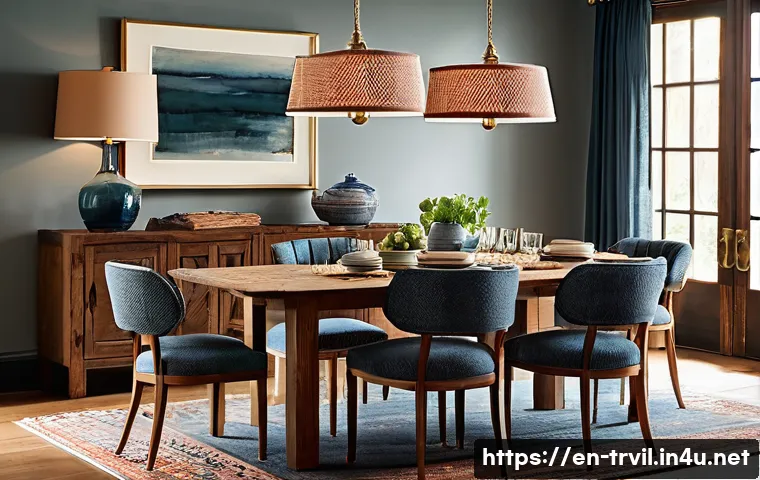
Arrangements that Encourage Togetherness
Furniture placement in traditional interiors tends to promote conversation and connection. Grouping chairs and sofas around a fireplace or central table creates a natural gathering spot.
In my home, arranging seating in a circular or U-shaped pattern has noticeably improved how guests interact, fostering warmth and intimacy that feels very much in line with traditional living ideals.
Decorative Elements: Artifacts of Heritage and Personality
Heirlooms and Collectibles
Displaying family heirlooms or cherished collectibles adds layers of meaning to traditional interiors. These items, whether they’re porcelain vases, vintage clocks, or framed photographs, connect occupants to their roots.
I’ve observed that integrating such objects into everyday decor transforms a house into a true home, rich with personal narratives.
Artwork and Wall Treatments
Traditional homes often feature classic artwork, tapestries, or wallpaper with subtle patterns that enhance the room’s character. Choosing pieces that resonate emotionally or historically can deepen the space’s story.
I once redecorated a study with botanical prints from the 19th century, and the effect was a refined, scholarly atmosphere that felt perfectly aligned with traditional aesthetics.
Layering Accessories for Depth
Combining different accessories—antique lamps, ceramic pots, vintage books—adds texture and visual interest. I’ve learned that layering these elements thoughtfully, without cluttering, helps rooms feel curated and lived-in.
This approach balances formality with comfort, a hallmark of successful traditional interiors.
Layout and Flow: Creating Cozy, Inviting Spaces
Room Zoning for Functionality
Traditional interiors often use layout strategies that define spaces clearly yet maintain openness. For example, a reading nook might be subtly separated by a bookcase or screen, providing privacy without isolation.
In my experience, this zoning makes everyday living more intuitive and enjoyable, as each area serves a distinct purpose without feeling cramped.
Symmetry and Balance
Symmetry is a classic principle that governs many traditional interiors, offering a sense of order and calm. Arranging furniture and décor symmetrically around focal points like fireplaces or large windows creates visual harmony.
I find that this balance is especially comforting, as it appeals to our innate preference for predictability and structure.
Pathways that Encourage Movement
Ensuring smooth circulation through rooms is essential in traditional homes, where multiple functions coexist. Clear pathways avoid clutter and allow natural flow, making the space feel both accessible and welcoming.
I’ve noticed that thoughtful placement of rugs, furniture, and lighting helps guide movement intuitively, enhancing daily comfort.
Traditional Interiors at a Glance: Key Elements Comparison
| Element | Materials | Typical Colors | Common Features | Purpose |
|---|---|---|---|---|
| Woodwork | Hardwood, Reclaimed Wood | Warm Browns, Natural Tones | Hand-Carved Details, Beams | Structural & Decorative |
| Stone/Brick | Natural Stone, Brick | Earthy Grays, Reds | Fireplaces, Accent Walls | Texture & Warmth |
| Textiles | Wool, Linen, Cotton | Muted Blues, Greens, Neutrals | Rugs, Drapes, Upholstery | Comfort & Heritage |
| Furniture | Wood, Leather, Upholstery | Neutral Bases with Rich Accents | Antique Styles, Classic Silhouettes | Function & Style |
| Decorative Details | Metal, Ceramics, Glass | Brass, Bronze, Earth Tones | Hardware, Accessories | Character & Personalization |
Closing Thoughts
Traditional interiors offer a timeless warmth that feels both inviting and genuine. By embracing natural materials, skilled craftsmanship, and thoughtful design, these spaces create a sense of history and comfort. Incorporating classic elements with modern touches allows for a home that is both elegant and livable. Ultimately, traditional design celebrates authenticity while fostering connection and coziness in everyday living.
Useful Information to Keep in Mind
1. Natural materials like wood and stone not only add beauty but also improve the room’s atmosphere through texture and warmth.
2. Attention to detail in craftsmanship, from hand-carved moldings to antique hardware, elevates the overall aesthetic and authenticity.
3. Earthy color palettes paired with rich accents create balance and visual interest without overwhelming the senses.
4. Furniture arrangement that promotes conversation enhances the welcoming feel of traditional spaces.
5. Layering textiles and accessories thoughtfully ensures the room feels lived-in yet polished, blending comfort with style.
Key Takeaways for Traditional Interior Design
Successful traditional interiors rely on a harmonious blend of natural materials, artisanal details, and classic color schemes. Prioritizing craftsmanship and authenticity brings depth and character to any space. Thoughtful layouts and carefully chosen furniture encourage warmth and connection, making these designs not only beautiful but also deeply inviting. Remember, the essence of traditional style lies in creating a home that tells a story while welcoming everyone who enters.
Frequently Asked Questions (FAQ) 📖
Q: What defines a traditional home interior design style?
A: Traditional home interiors are characterized by their timeless appeal, often incorporating natural materials like wood and stone, intricate handcrafted details, and balanced, symmetrical layouts.
This style draws inspiration from classic European designs and cultural heritage, emphasizing warmth, comfort, and elegance. You’ll typically find rich textures, antique furniture, and soft, muted color palettes that create a welcoming, lived-in atmosphere.
It’s about celebrating history while making the space feel cozy and inviting.
Q: How can I incorporate traditional elements into a modern home without it feeling outdated?
A: Blending traditional elements with modern touches is all about balance. Start by choosing a few key pieces—such as a classic wooden dining table or a vintage-inspired chandelier—and pair them with contemporary furniture or minimalist decor.
Using traditional patterns like florals or damasks in subtle ways, like throw pillows or curtains, can add charm without overwhelming the space. Also, keep the color scheme neutral or soft to maintain freshness.
This approach keeps the warmth and character of tradition while ensuring your home feels current and stylish.
Q: What are some practical tips for maintaining the beauty of handcrafted traditional details?
A: Handcrafted details, like carved wood or embroidered fabrics, bring soul to traditional interiors but require care. Dust regularly with a soft cloth to avoid buildup, and avoid harsh chemicals that can damage delicate finishes.
For wooden surfaces, occasional polishing with natural oils can keep them looking vibrant. If you have textiles, rotate cushions or drapes to prevent uneven fading.
Personally, I’ve found that treating these elements gently and appreciating their imperfections helps maintain their charm and ensures they last for generations.