Choosing the right exterior color for a traditional home is more than just a design decision; it sets the tone for the entire neighborhood and reflects the character of the house itself.
From soft earth tones to vibrant accents, the palette you select can enhance architectural details and create a welcoming atmosphere. It’s fascinating how color influences not only curb appeal but also the emotional connection people feel toward a home.
With evolving trends and timeless classics blending seamlessly, homeowners today have a wealth of options to express their style while honoring tradition.
Let’s dive deeper and explore how to pick the perfect shade that truly brings your traditional home to life!
Understanding the Impact of Color on Architectural Features
Highlighting Traditional Details Through Color Contrast
When choosing a color for a traditional home, it’s essential to consider how the hues will interact with architectural elements like moldings, window frames, and shutters.
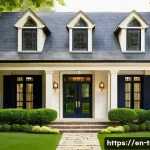
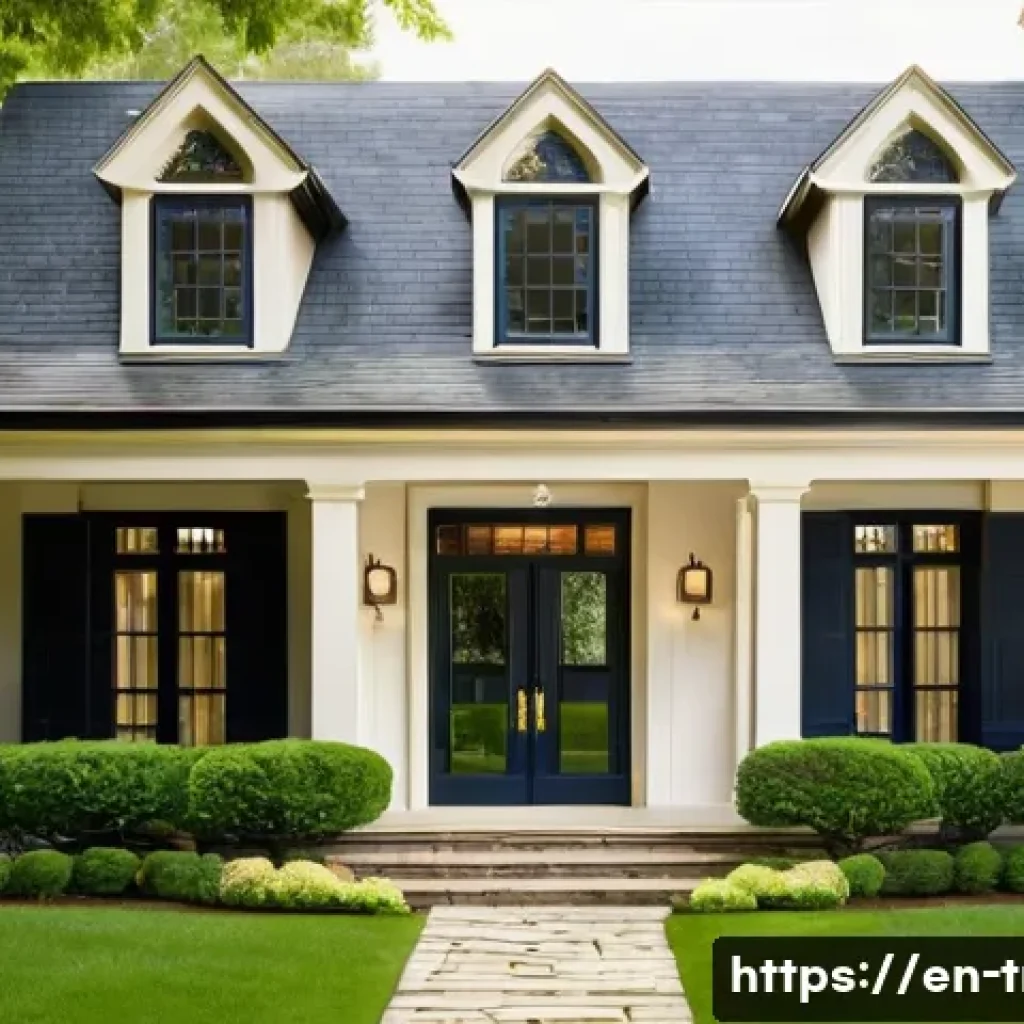
A well-selected contrast can draw attention to these features, enhancing the home’s character without overpowering it. For example, pairing a soft cream body color with deep navy shutters can bring out the intricate woodwork and create a timeless elegance.
From my experience, subtle contrasts often work best because they respect the home’s heritage while injecting personality. Bold or overly bright colors might detract from the craftsmanship that defines traditional styles.
Using Warm vs. Cool Tones to Influence Mood
Warm tones such as terracotta, mustard, or warm beige evoke a cozy, inviting vibe that complements the welcoming nature of traditional homes. On the other hand, cooler tones like slate gray, sage green, or muted blue lend a calm, serene feeling that can make a house appear stately and grounded.
Choosing between warm and cool tones isn’t just about personal taste; it’s about the emotional atmosphere you want your home to project. I found that warm tones tend to feel more approachable in family neighborhoods, while cool tones often suit homes in historic districts with mature landscaping.
Preserving Architectural Integrity with Classic Palettes
Many traditional homes owe their charm to classic color palettes that have stood the test of time—think soft whites, earthy browns, and muted greens. These colors naturally complement the materials often used in traditional construction, like wood siding and brick.
From my observations, sticking to these tried-and-true colors helps maintain the home’s authenticity, which can increase curb appeal and resale value.
However, subtle modern twists within these palettes, like adding a hint of gray or taupe, can refresh the look without compromising the traditional feel.
Balancing Neighborhood Harmony and Personal Style
Respecting Community Guidelines and Trends
Many traditional neighborhoods have specific guidelines on exterior colors to preserve the overall aesthetic harmony. It’s wise to check with your local homeowner association or historic preservation board before finalizing your palette.
I’ve seen homeowners choose colors that fit within neighborhood standards but still stand out with creative combinations or accent hues. For instance, a muted olive body with cream trim can feel both classic and distinctive without clashing with neighboring houses.
Incorporating Personal Expression with Accent Colors
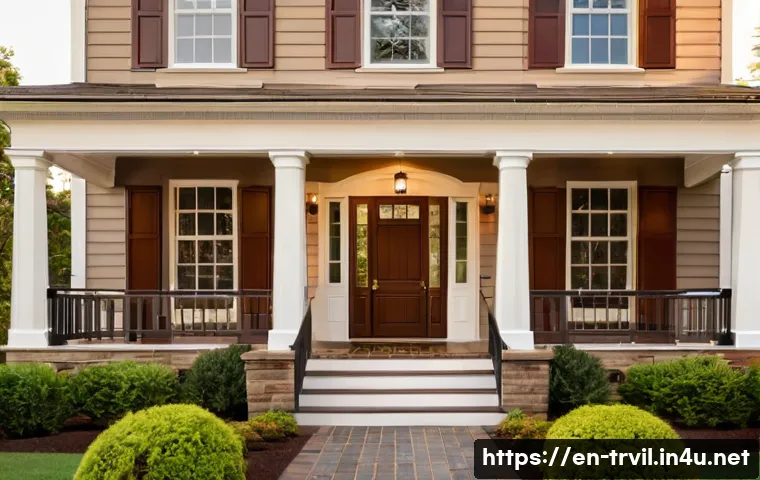
While the main body color often adheres to tradition, accent colors offer a fantastic opportunity to express personality. Front doors, window shutters, and trim are perfect spots to experiment with bolder or unexpected shades.
Based on what I’ve tried, a deep red or rich teal door can become a welcoming focal point that invites guests in, while complementing the more subdued body color.
These accents can be changed more easily over time, allowing for seasonal updates or trend-inspired tweaks without a full repaint.
Understanding the Role of Landscape and Lighting
The way your home’s exterior color looks can change dramatically depending on surrounding greenery and natural light. For example, a golden beige paint will glow warmly in morning sunlight but might appear dull under heavy shade.
When I recently helped a friend pick colors, we observed the house at different times of day and seasons to ensure the colors worked well year-round. Similarly, lush landscaping with lots of greenery pairs beautifully with earth tones, while bright flowers can enhance more neutral palettes by adding pops of color naturally.
Choosing Paint Finishes for Durability and Aesthetics
Matte vs. Satin vs. Gloss: What Works Best Outdoors?
Paint finish plays a critical role in both the appearance and longevity of your exterior color. Matte finishes offer a soft, sophisticated look that helps hide surface imperfections but may be less resistant to dirt and mildew.
Satin finishes strike a balance by providing a slight sheen that’s easier to clean, making them a popular choice for traditional homes. Gloss finishes are highly durable and highlight architectural details with a reflective surface but can sometimes emphasize flaws.
Personally, I lean toward satin because it offers durability and subtle elegance without being too flashy.
Weather Resistance and Color Retention
Traditional homes often have wood or stucco surfaces that require paint with excellent weather resistance. Choosing high-quality, fade-resistant paints will keep colors vibrant and prevent peeling or cracking over time.
I’ve noticed that investing in premium exterior paint not only improves curb appeal but also reduces maintenance efforts. It’s worth spending extra on paints with UV protection and mildew resistance, especially in regions with harsh sun or heavy rain.
Maintenance Tips for Long-Lasting Exterior Colors
To keep your home looking fresh, regular maintenance is key. Cleaning the exterior annually and touching up chipped areas promptly can prolong the life of your paint job.
I recommend scheduling a thorough wash each spring and inspecting for damage afterward. When repainting, using primers suited for your surface type ensures better adhesion and color vibrancy.
These small efforts can save you from costly repainting down the road and keep your traditional home looking its best.
Exploring Popular Color Schemes for Traditional Homes
Earthy Neutrals for a Grounded Look
Neutrals inspired by nature—such as warm taupe, sandy beige, and soft gray—are incredibly versatile for traditional homes. They create a serene backdrop that allows architectural details to shine without overwhelming the senses.
In my experience, these colors also age gracefully, blending well with stone pathways, brick accents, and wooden porches. Earthy neutrals work well in almost any climate and neighborhood style, making them a reliable choice for homeowners seeking understated elegance.
Classic Blues and Greens with a Twist
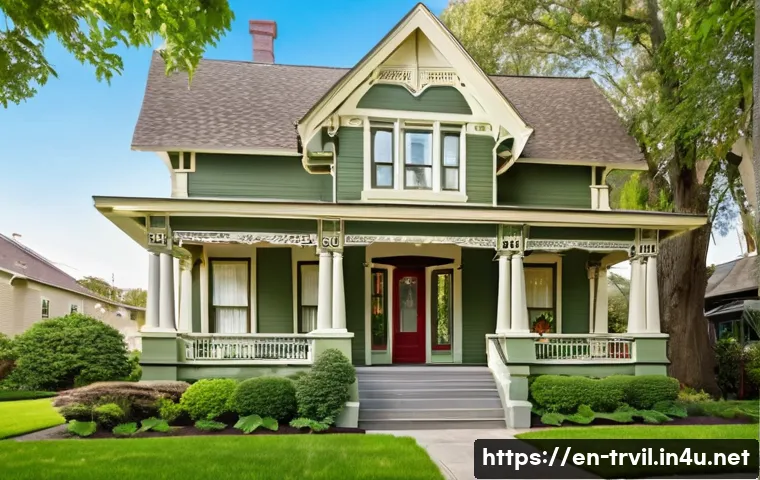
Blues and greens evoke a sense of calm and tradition, yet they can be refreshed with modern undertones. For example, dusty blue or muted sage green adds personality while maintaining the home’s classic appeal.
I’ve personally admired homes painted in these shades because they stand out just enough to feel unique but still blend harmoniously with natural surroundings.
These colors complement white trim beautifully, creating a crisp, clean look that’s timeless.
Warm Reds and Rich Burgundies for Bold Statements
For those wanting a more dramatic effect, deep reds and burgundies can bring warmth and sophistication. These colors work especially well on brick exteriors or homes with Colonial or Victorian influences.
When I experimented with a burgundy front door, it instantly elevated the house’s curb appeal and gave it a welcoming, cozy vibe. However, it’s best to balance these intense hues with lighter neutral trims to avoid overpowering the overall design.
How Light and Shadow Affect Color Perception
Morning vs. Afternoon Sunlight
Colors can look completely different depending on the time of day and direction your house faces. Morning light is usually softer and cooler, making blues and greens appear more vibrant, while afternoon sun brings warmer tones that enhance reds and yellows.
I recommend observing your home’s exterior throughout the day before settling on a color. This simple step helped me avoid a costly repaint when a seemingly perfect shade looked dull in the afternoon sun.
Seasonal Variations and Environmental Effects
Changing seasons also influence how colors appear. Snow, rain, and foliage can either brighten or mute your home’s exterior. For example, a rich ochre looks stunning against fall leaves but might blend in during summer.
I’ve learned that selecting a color with enough depth ensures it remains visually appealing year-round. Additionally, environmental factors like pollution or salt air near the coast can affect paint longevity and color vibrancy, so it’s crucial to choose durable formulations.
Utilizing Shade and Shadow for Visual Interest
Architectural features cast shadows that change throughout the day, creating dynamic effects on color. Lighter colors can emphasize these shadows, adding depth and dimension, while darker colors might absorb light, making details less noticeable.
I’ve found that pairing mid-tone body colors with lighter trim helps achieve a balanced look that plays well with natural shadows. This technique can make a traditional home feel more three-dimensional and inviting.
Color Combinations That Work Harmoniously
Complementary vs. Analogous Color Schemes
Complementary color schemes use colors opposite each other on the color wheel, such as blue and orange, creating vibrant contrasts that energize a home’s exterior.
Analogous schemes, like green with blue and teal, provide a more harmonious and calming effect. From my observations, traditional homes benefit from more subtle analogous combinations to maintain a classic look, but well-executed complementary accents—especially on doors or shutters—add just the right pop of interest.
Neutrals Paired with Bold Accents
A popular strategy is to choose a neutral main color and then add bold accent colors to highlight architectural details or entryways. This approach balances timelessness with personality.
For example, a beige house with dark green shutters and a red door feels both grounded and lively. I’ve used this technique myself, and it’s surprisingly easy to refresh by swapping accent colors without repainting the entire house.
Using White and Off-White for Timeless Elegance
White and off-white are staples in traditional home palettes because they evoke purity and simplicity while making details stand out. However, pure white can sometimes feel stark, so off-white or cream tones are often preferred for warmth.
I’ve noticed that these colors reflect light beautifully, making homes appear larger and more welcoming. Pairing them with darker accents or natural wood tones creates a sophisticated, balanced look that never goes out of style.
| Color Category | Typical Shades | Emotional Impact | Best Architectural Features to Highlight | Maintenance Considerations |
|---|---|---|---|---|
| Earthy Neutrals | Beige, Taupe, Soft Gray | Calm, Grounded, Timeless | Wood siding, Brick bases | Resistant to fading, hides dirt well |
| Classic Blues & Greens | Dusty Blue, Sage Green, Slate | Serene, Trustworthy, Traditional | Window shutters, Trim, Doors | May show dirt, UV resistant needed |
| Warm Reds & Burgundies | Burgundy, Brick Red, Rust | Warmth, Boldness, Sophistication | Doors, Shutters, Accent walls | Requires regular touch-ups, fade-prone |
| Whites & Off-Whites | Cream, Ivory, Soft White | Clean, Elegant, Inviting | Trim, Columns, Porches | Shows dirt, frequent washing recommended |
Conclusion
Choosing the right colors for traditional homes is both an art and a science that greatly impacts curb appeal and overall character. Thoughtful color choices highlight architectural details while respecting the home’s heritage. By balancing personal style with neighborhood harmony and practical considerations, you can create a timeless and inviting exterior. Ultimately, a well-planned palette breathes new life into classic designs and enhances lasting value.
Useful Tips to Remember
1. Always test paint colors at different times of day to see how natural light affects their appearance before committing.
2. Use accent colors strategically on doors, shutters, or trim to add personality without overwhelming the traditional aesthetic.
3. Invest in high-quality, weather-resistant paints to maintain color vibrancy and reduce maintenance efforts.
4. Respect neighborhood guidelines to ensure your color choices complement the surrounding homes and community.
5. Regular exterior cleaning and timely touch-ups prolong the life of your paint job and keep your home looking fresh.
Key Takeaways
Selecting exterior colors for traditional homes requires balancing classic palettes with personal expression while considering environmental factors and maintenance. Opt for subtle contrasts to showcase architectural features and choose finishes that provide durability without sacrificing elegance. Always factor in how light and surroundings influence color perception, and don’t overlook the value of proper upkeep. Following these principles helps preserve the home’s authentic charm and enhances its lasting appeal.
Frequently Asked Questions (FAQ) 📖
Q: How do I choose exterior colors that complement a traditional home’s architectural features?
A: When selecting colors for a traditional home, start by highlighting key architectural elements like trim, shutters, and doors with contrasting shades.
Soft earth tones such as warm beiges, muted greens, or classic grays often serve as a great base, allowing intricate details to stand out without overwhelming the design.
I’ve found that using a slightly darker or lighter shade of the main color on trim can really bring out the craftsmanship and add depth. It’s also helpful to test paint samples on different sides of your home at various times of day to see how natural light affects the hues.
Q: Are there any exterior color trends that work well for traditional homes without losing their classic appeal?
A: Absolutely! While timeless neutrals remain popular, incorporating subtle pops of color through accents like front doors or window frames has become a favored trend.
For example, deep navy, rich burgundy, or forest green can add personality while respecting traditional aesthetics. From my experience, these accent colors can make a home feel fresh and inviting without straying too far from its roots.
Also, combining traditional palettes with natural materials like stone or wood enhances the overall harmony, making your home stand out in the best way possible.
Q: How can exterior color choices affect the value and curb appeal of a traditional home?
A: Exterior color has a surprisingly strong impact on curb appeal and, by extension, a home’s market value. A well-chosen palette that suits the style of the house can create an immediate emotional connection for visitors or potential buyers, making the home feel warm and well cared for.
Personally, I’ve noticed that homes with cohesive, thoughtfully selected colors tend to attract more attention and positive feedback during showings. On the flip side, colors that clash or feel out of place can detract from the home’s charm, so it’s worth investing time in choosing a palette that enhances both beauty and resale potential.